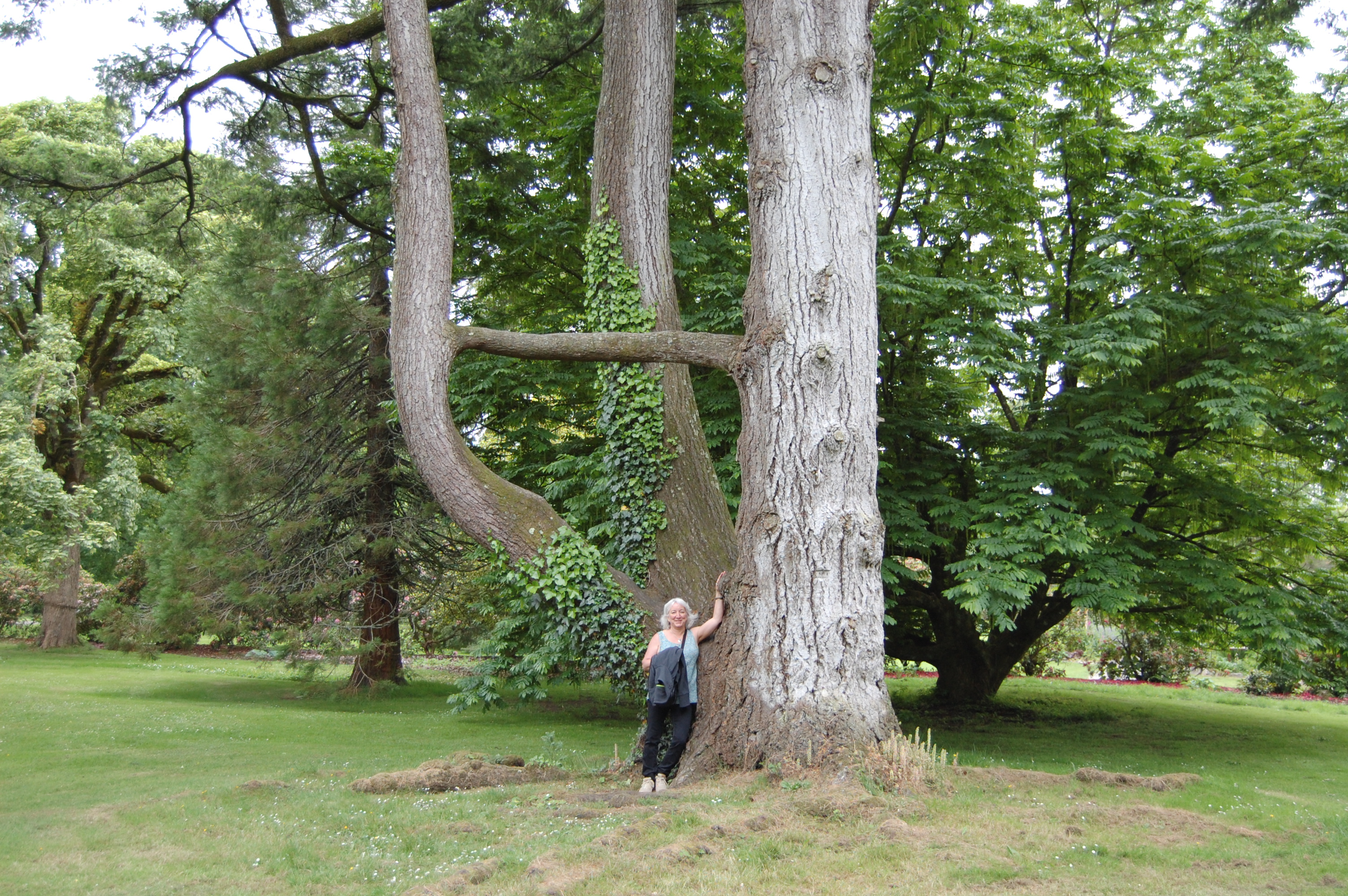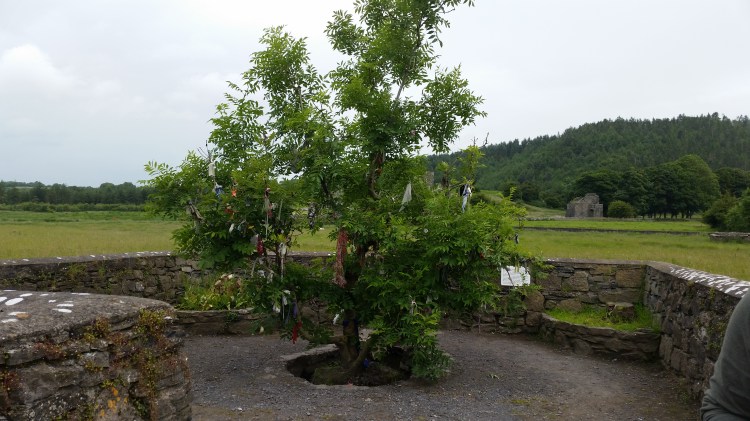
The Clootie Tree in Fore, Ireland

20160623_132845.jpgI first heard the term “Clootie tree” years ago from a friend who had visited Ireland. The name is derived from Scotland where a “clootie” or “cloot” is a strip of cloth or rag. These trees often grow near clootie wells or springs that are places of pilgrimage in Celtic areas.

In pre-Christian Ireland, Brigid was the Celtic goddess of spring. Because she shares many attributes with Saint Brigid whose feast is celebrated on the same day as the pagan festival of spring, some believe the Celt’s beloved goddess was adopted as a saint by the Christians to inspire conversion to their faith.

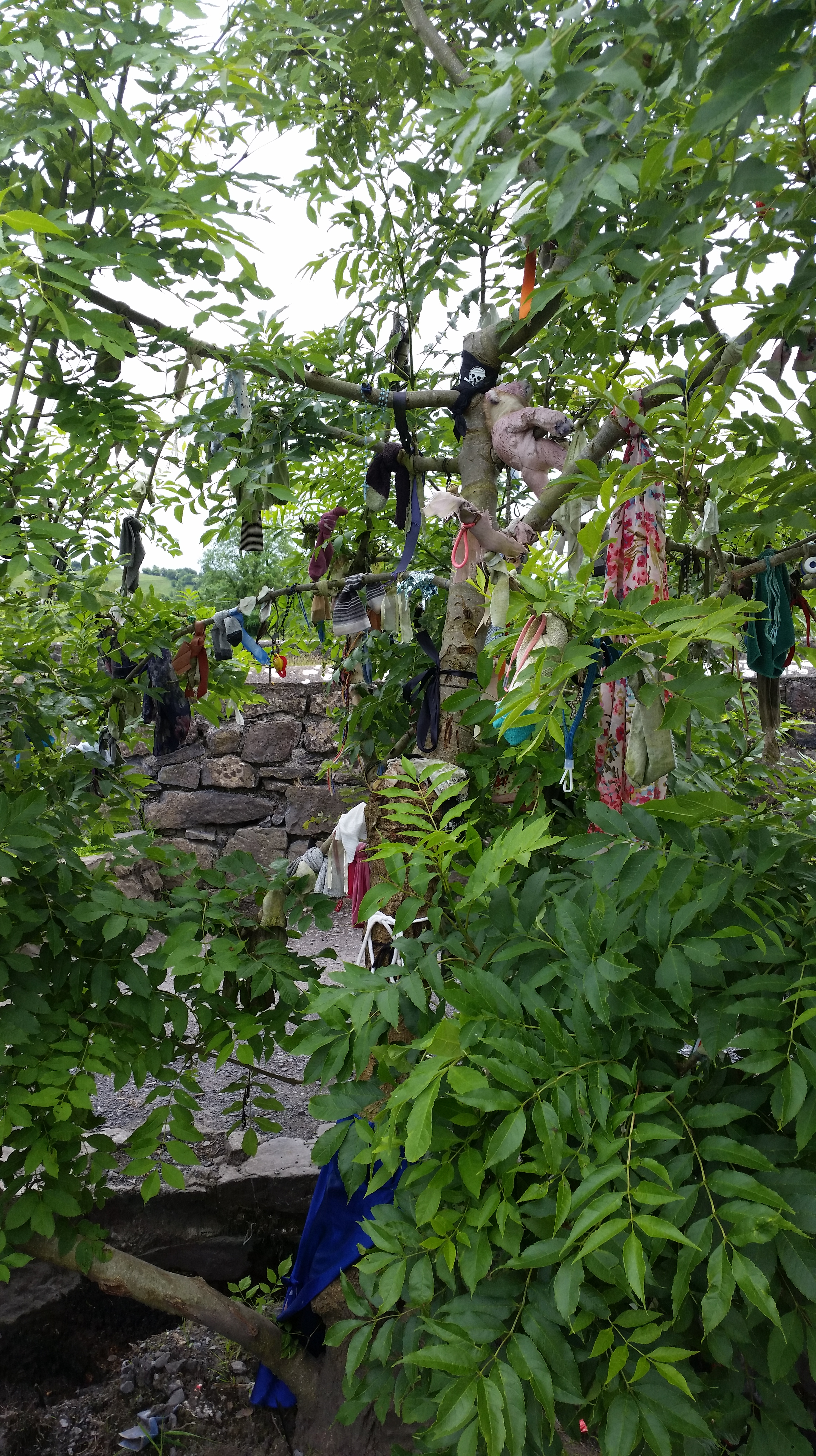
That said, the Celtic people believed these springs or wells to be places where their gods and goddesses would hear their prayers. Visitors would tie strips of cloth to the branches of a nearby tree as part of a healing ritual. Those strips of cloth, rags or articles of clothing often belonged to a loved one who was ill or in need of divine intervention.
20160623_133347.jpg

To see a clootie tree in Ireland was something I had only dreamt of until the day we stepped out of the car beside the stone wall that bordered the old abbey ruins in the valley of Fore. This little ash tree was growing right out of a clootie well, and I would not have been more excited if it had thousand dollar bills tied to its branches. When I saw it, I knew that I had finally found the Ireland I was looking for. What I did not yet know was that the woman we were about to meet would be the most unforgettable character of our whole two-week trip!
Driving Through Wales, UK

20160615_101149

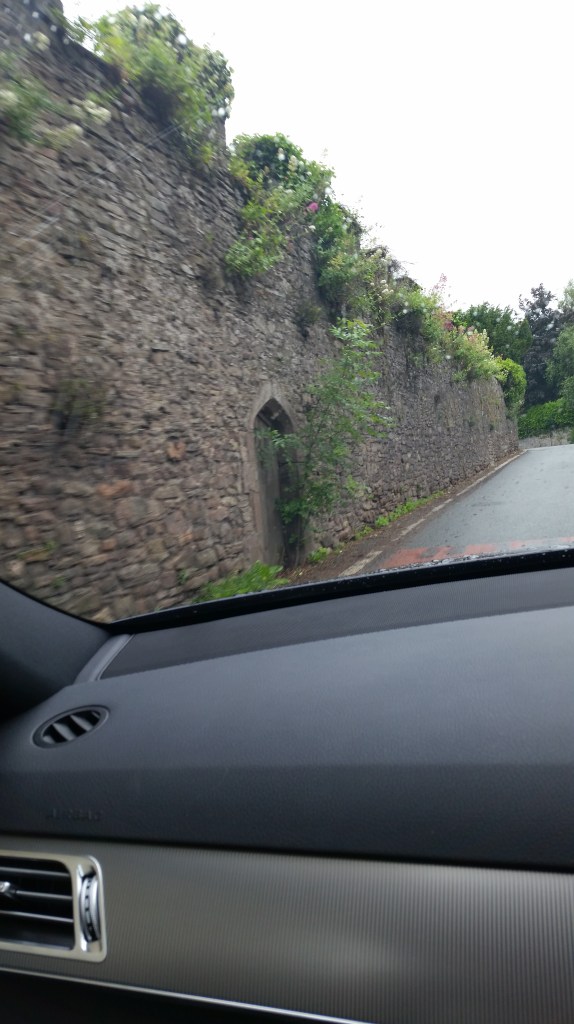
A drive through the countryside in Wales is like traveling back in time. If I were to describe this little country beside the Irish sea in a single word it would have to be “enchanting.” Having just spent the previous day in Tintagel, Cornwall, this place had a tough act to follow, but Wales left me breathless.

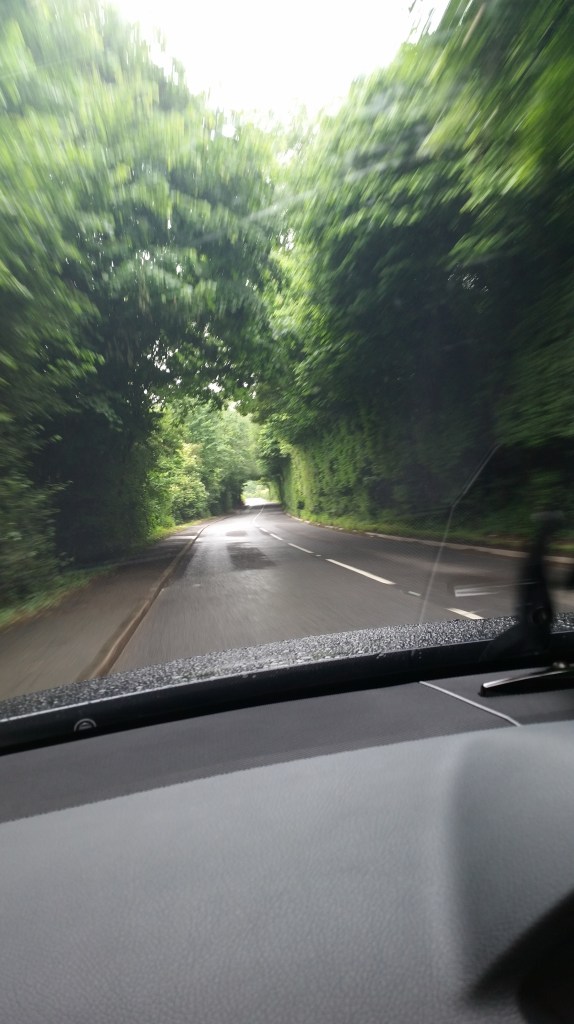
Sheep grazing on lush green hills, old stone farmhouses so close to the road you could touch them, and incredibly narrow roads where the vine-covered stone walls beside it grew right into the canopy of trees overhead to form a gorgeous green tunnel through which us time travelers could pass.

20160615_100420

My husband may not have been left with such a spectacular impression, since he was our driver. There were blind corners everywhere on roads, barely wide enough for a single car to pass. When meeting another vehicle, one had to pull over into the “hedges” or tall grass, where in America we have a shoulder or ditch, so the other car could pass. On more than one occasion, we pulled off beside a well-trimmed hedge that was hiding a massive stone wall beneath its green coat. And those stone walls were everywhere. Nearly every roadway had them built four feet high and a foot thick. Like beautiful barriers in a labyrinth, the walls only allowed brief peeks of our prize at the other end. Even that occasional glimpse was more than enough to keep you driving down that rabbit hole. Unfortunately, because there were few places to pull over, and they come and go too quickly for you to react at 100 kph, that prize was nearly impossible to fully grasp…until we reached the coast! But you’ll have to read my next post to hear about that.

Blarney Castle in County Cork, Ireland

20160617_151127

Blarney Castle

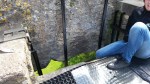
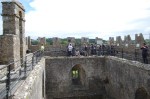
During our visit to Ireland, we stayed in castles that had been made into modern hotels, we saw castles in the distance that seemed unreachable, others were reduced to rubble by time, and some were undergoing renovation to save them from that. However, I feel that the castle famous for a single stone set high on its wall was one of the most impressive. Not because of the stone that bears the castle name, but because Blarney was left looking like a 15th century castle should. It is a handsome piece of the past standing strong well into the present.

Click images below to enlarge.

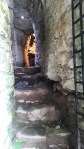
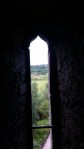
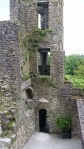
My first set of spiral steps into a turret, or tower, were at Blarney Castle. It was a dark, confining space, and the climb seemed to go on a bit too long for someone who tends to get claustrophobic. Just as I began to panic, sunlight bathed the outer wall up ahead. The stones beneath my feet and in the tower around me were exactly as they had been for hundreds of years. Blarney felt like a real castle. It had history, mystery and personality. It was a castle that you could feel had been lived in.

From the tiny rooms offset along the tower steps, to the grated floor of the murder room, to the breathtaking view when I finally reached the top, Blarney had my undivided attention.

20160617_151448

Blarney Castle


The dungeon also intrigued me. It was not much bigger than a badger hole dug into the solid stone beneath the castle. The only entrance was through an iron gate on the outer wall. Water was dripping from the ceiling, and I didn’t go any further than my arm would reach to snap this shot. This was nothing like what you see in movies. At Blarney, the dungeon was a horrible place.

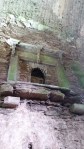
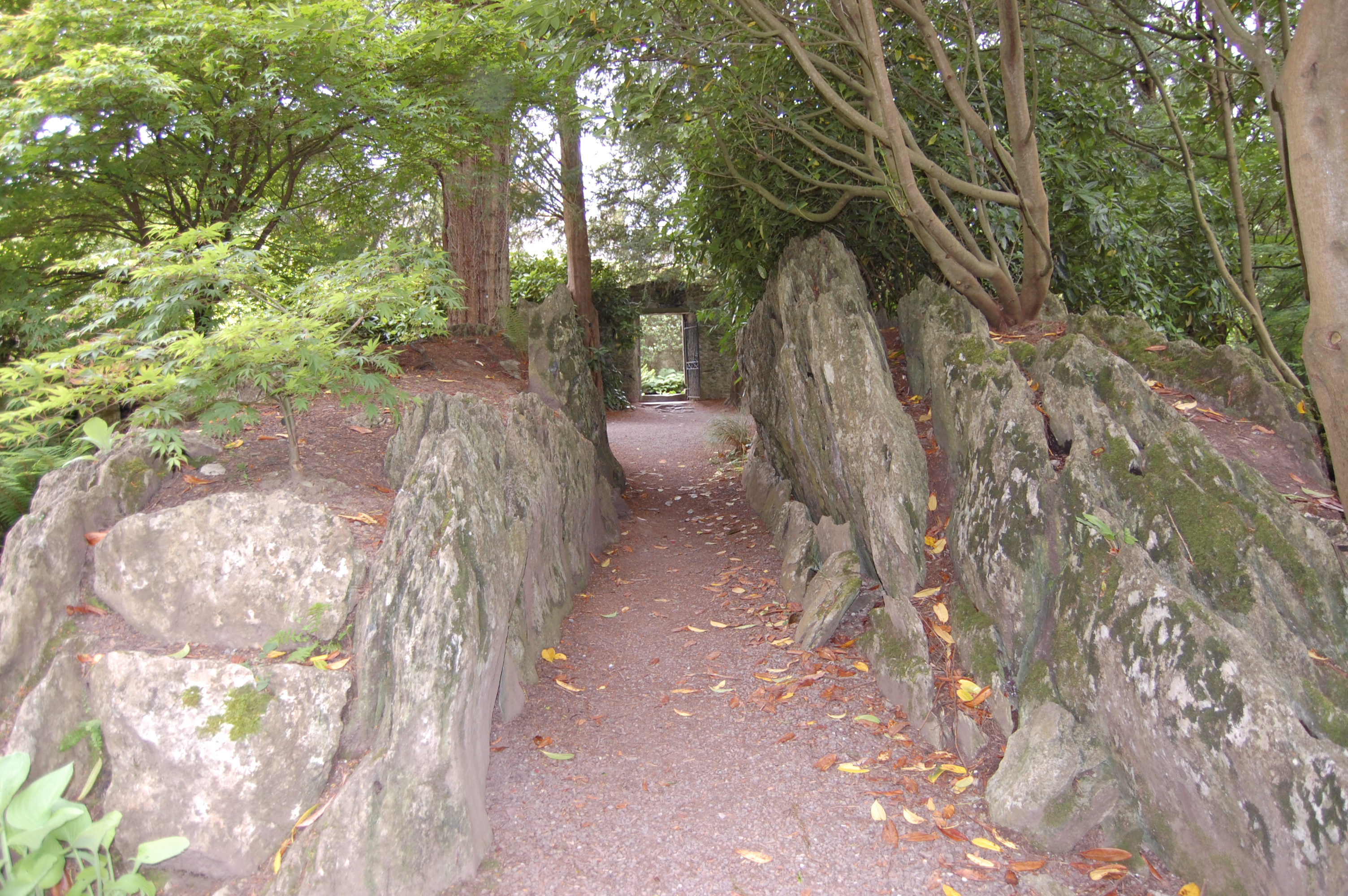
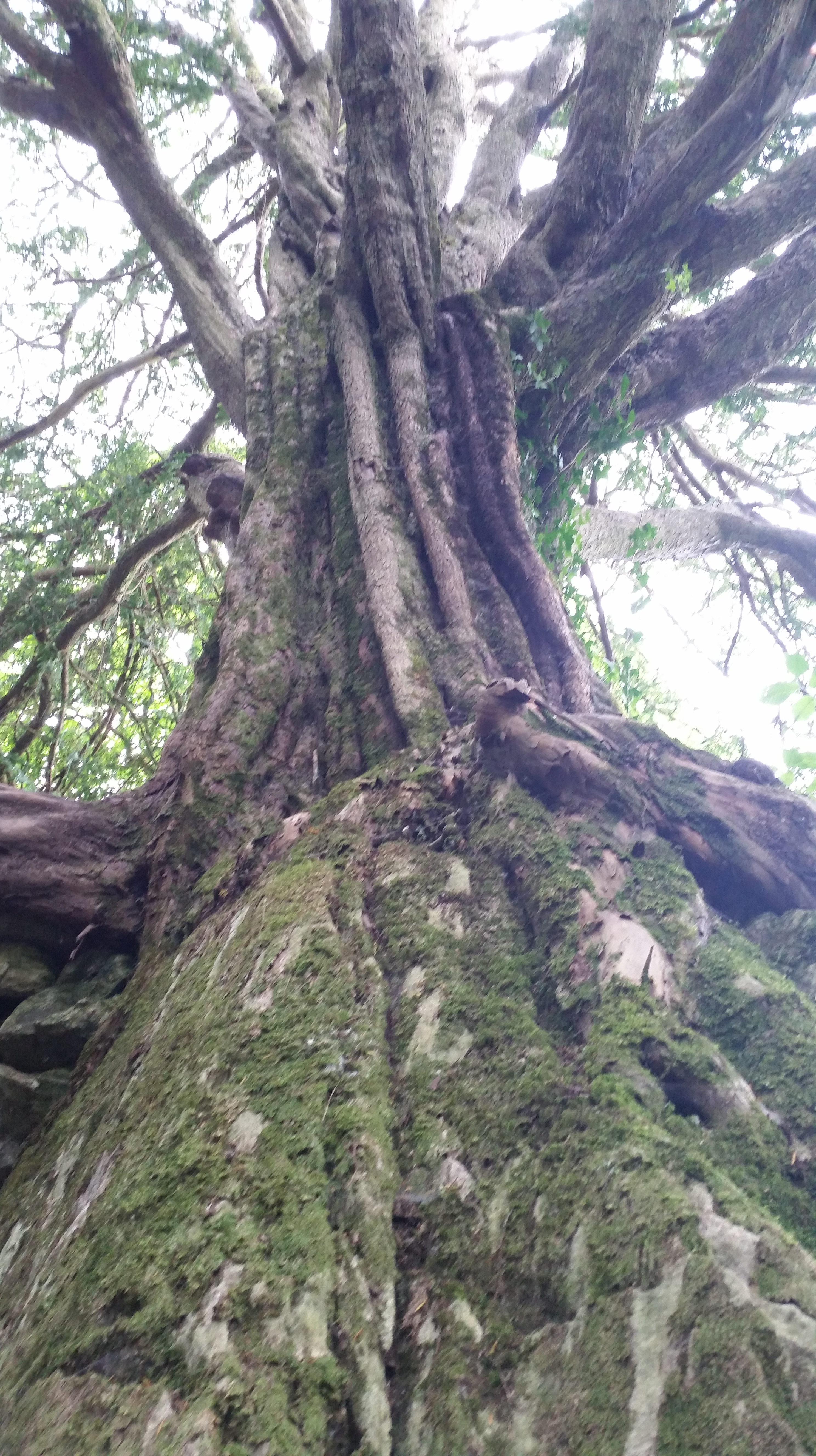
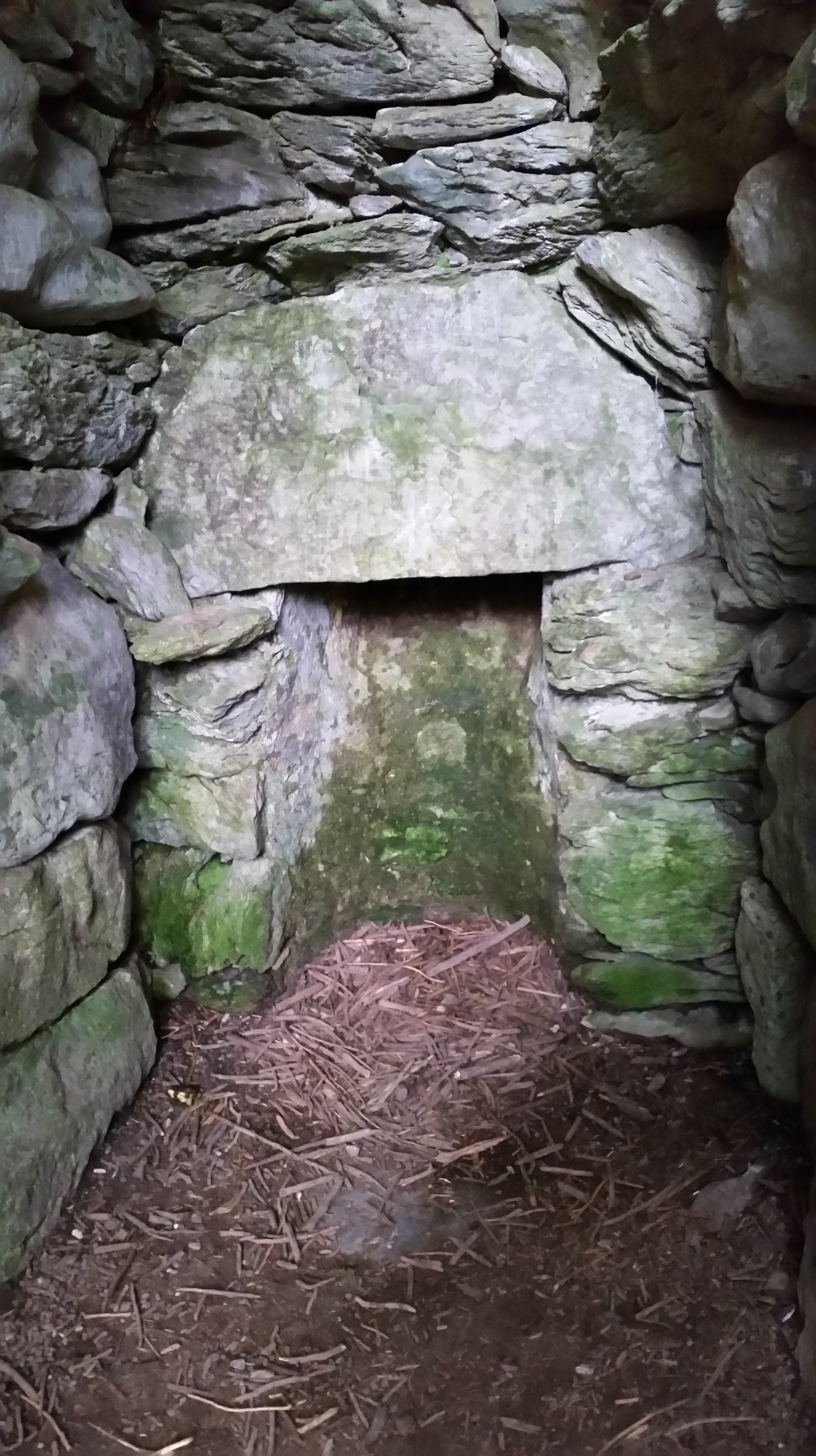
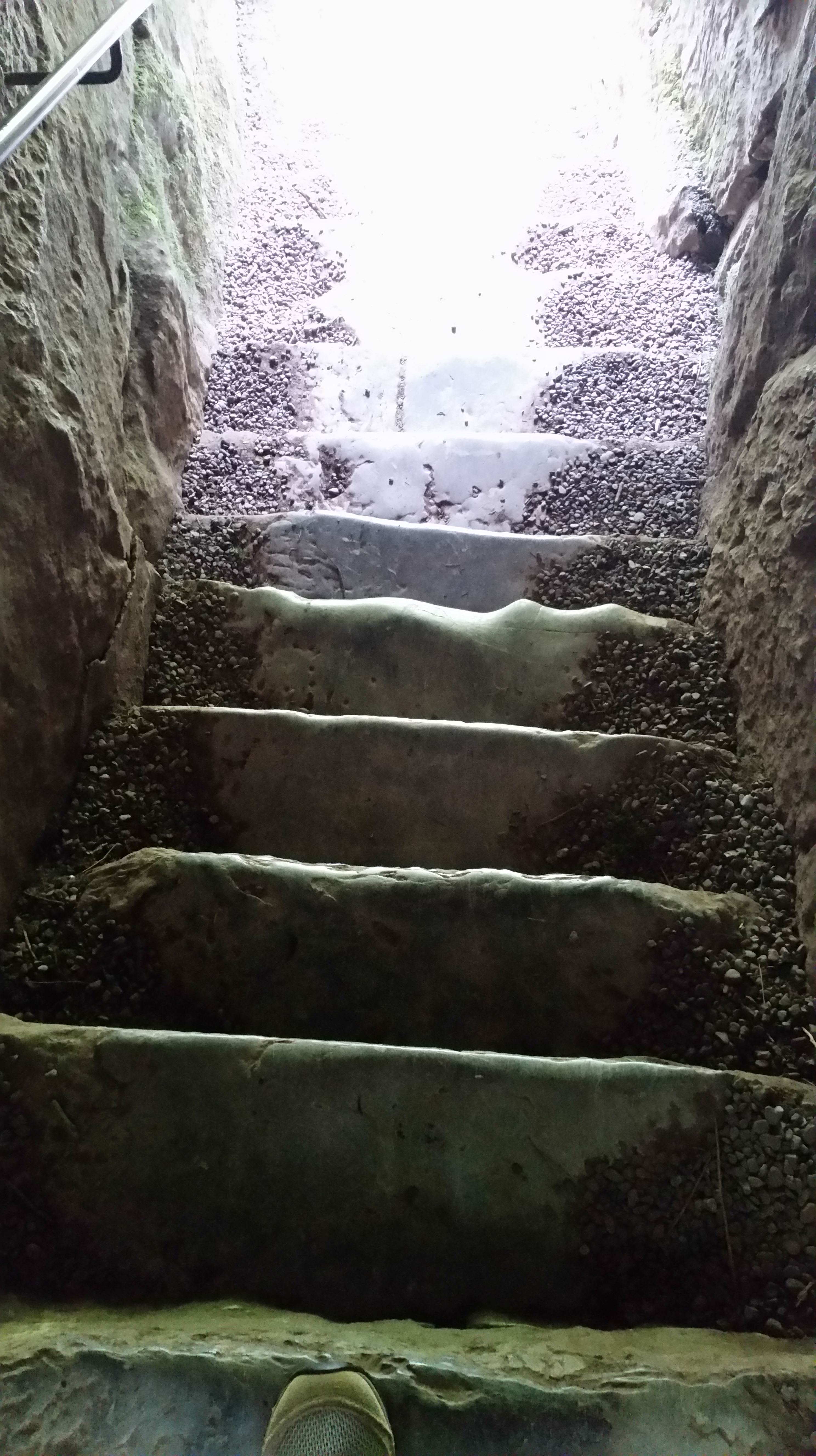
Then there were the gardens outside of Blarney Castle, which were mystical! Stone Close was the old druid woods complete with stone circles, wishing steps and an amazing underground fireplace called Witches Kitchen. Check these photos out!


The Rock of Cashel in County Tipperary, Ireland

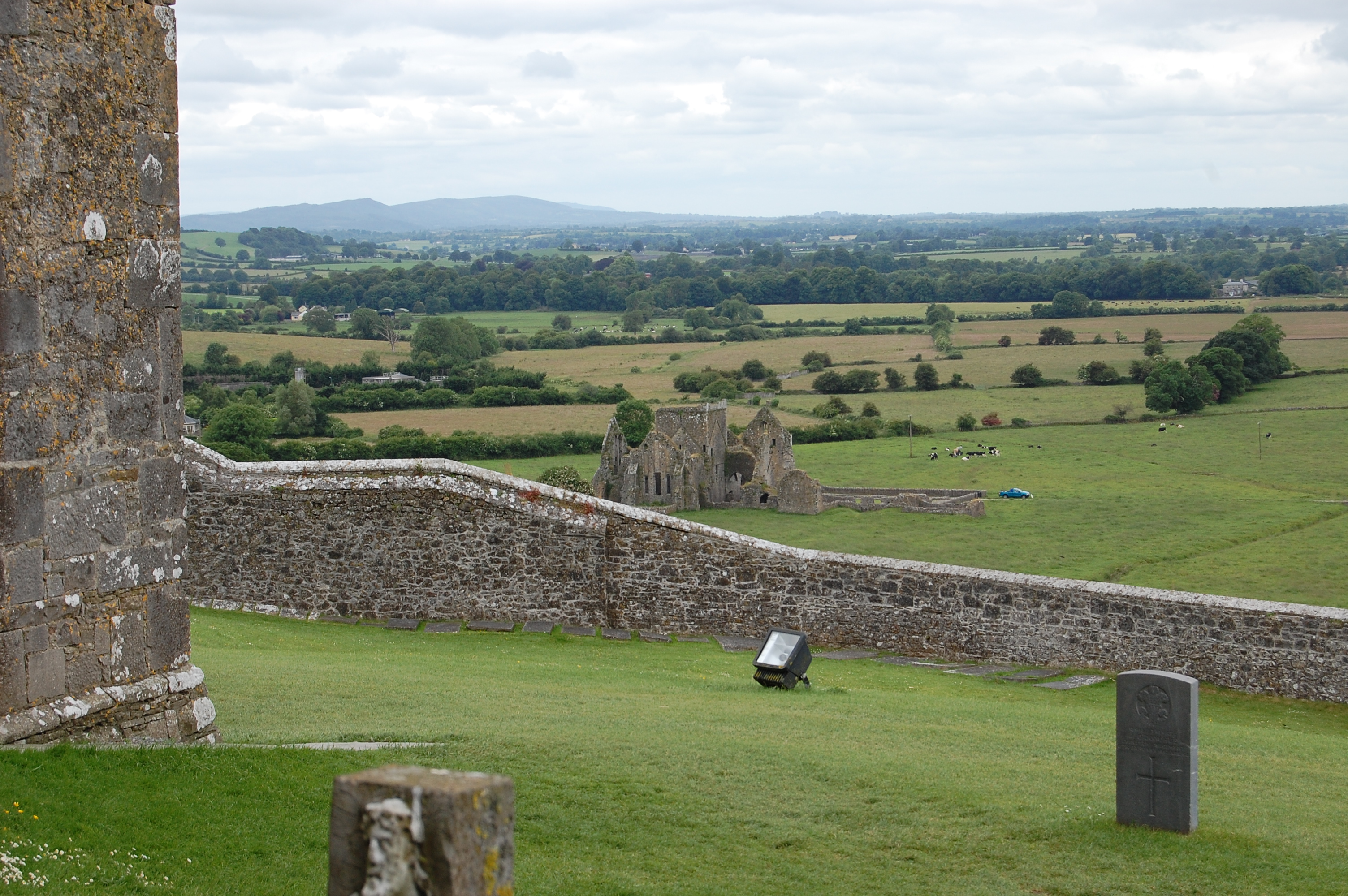
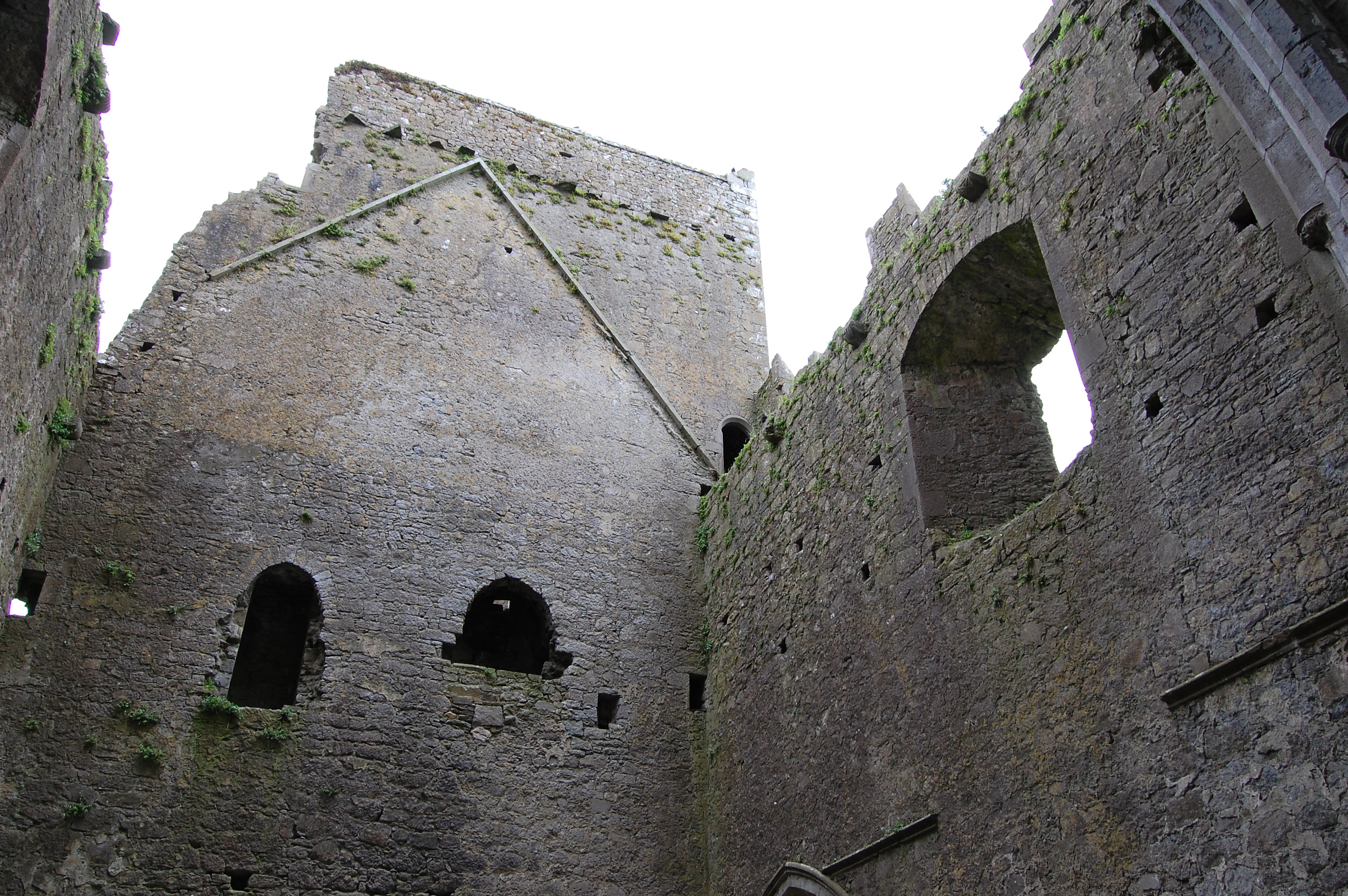
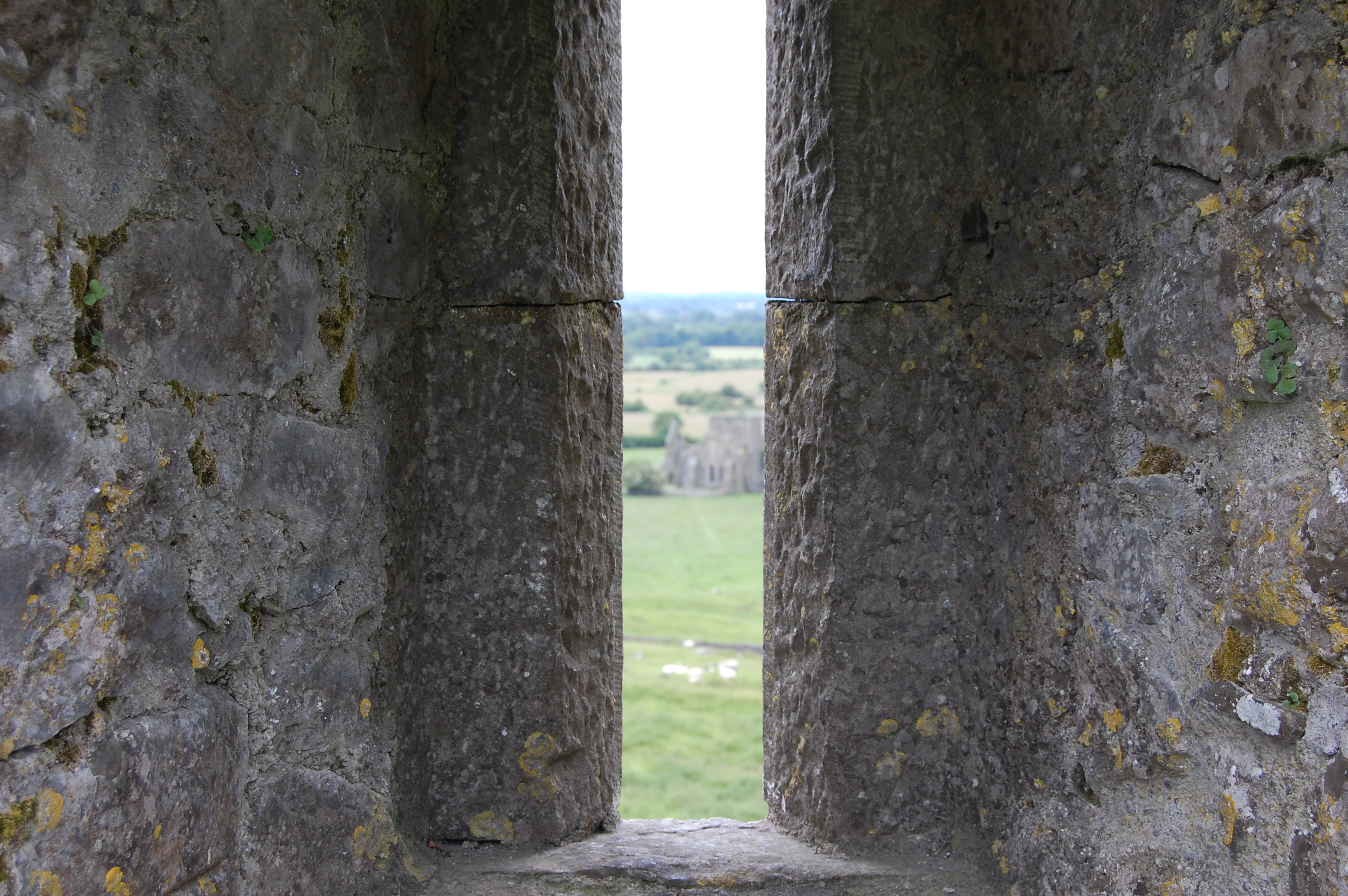
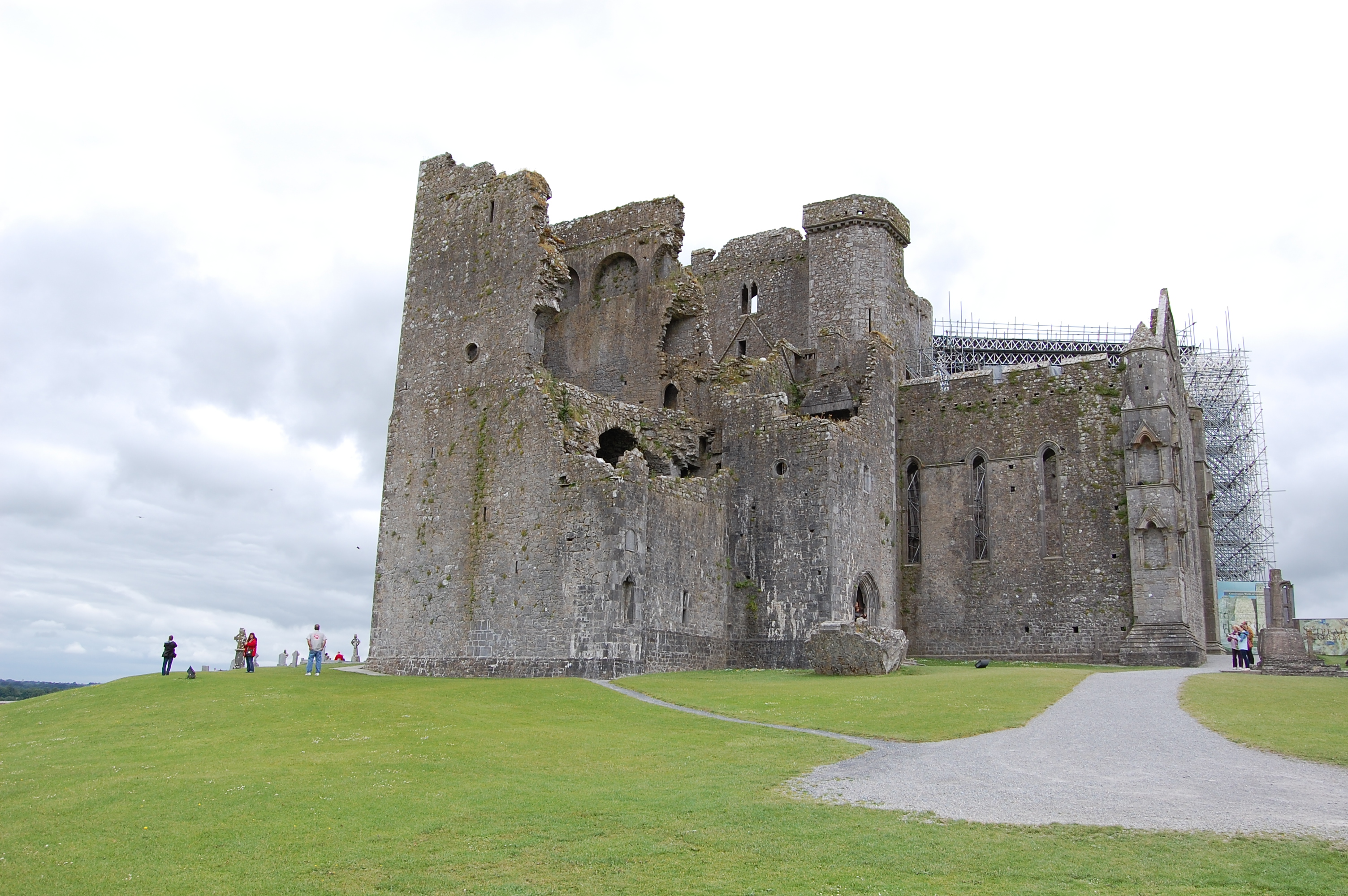
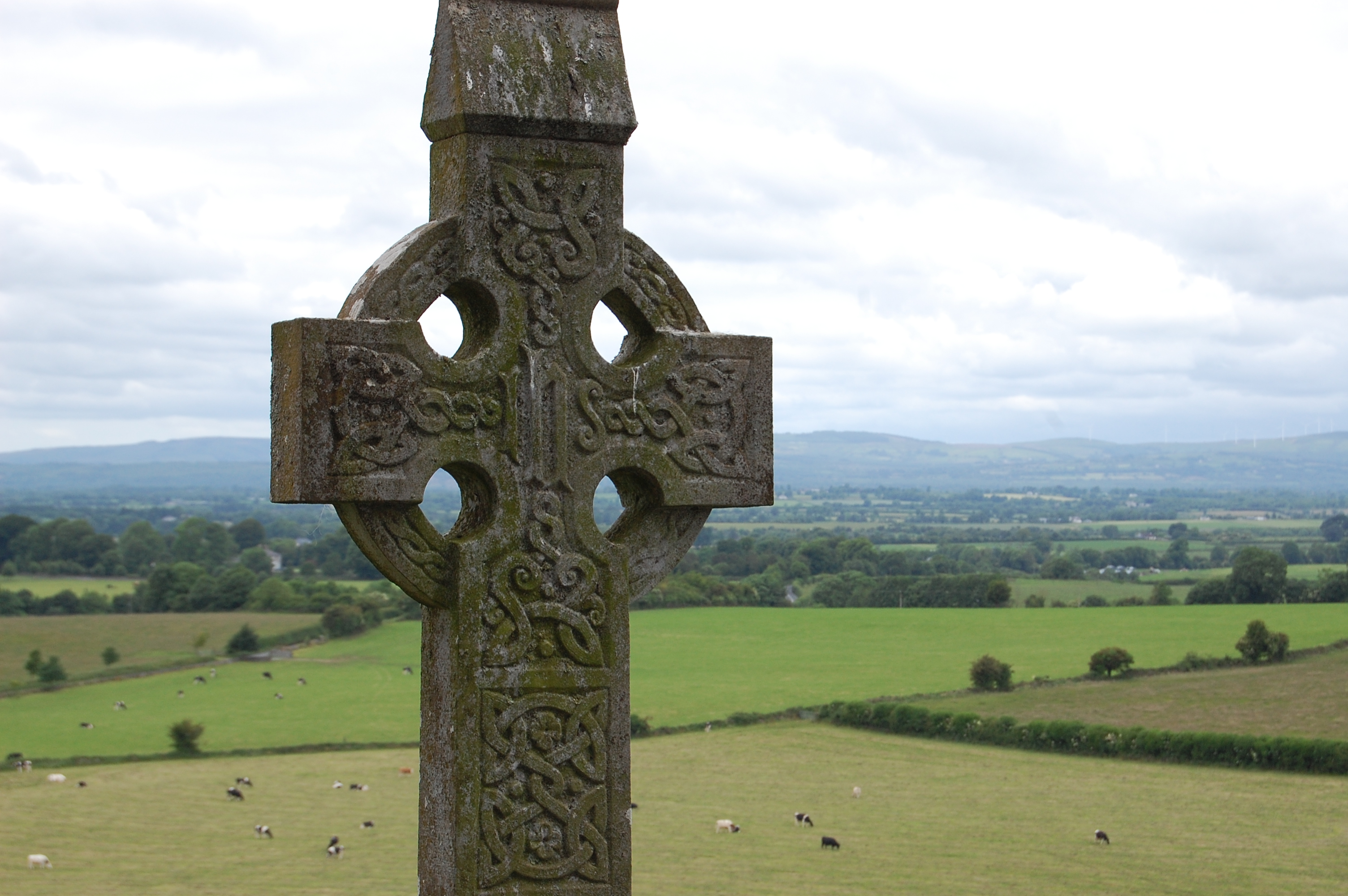
DSC_0028Built in the 12th Century, The Rock of Cashel stands on a hilltop overlooking the rolling green countryside of County Tipperary in south central Ireland. According to legend, the huge rock this castle was built upon originated in the Devil’s Bit, a mountain located 20 miles to the north. When St. Patrick banished Satan from a cave there, the rock, St. Patrick’s Rock, landed here.
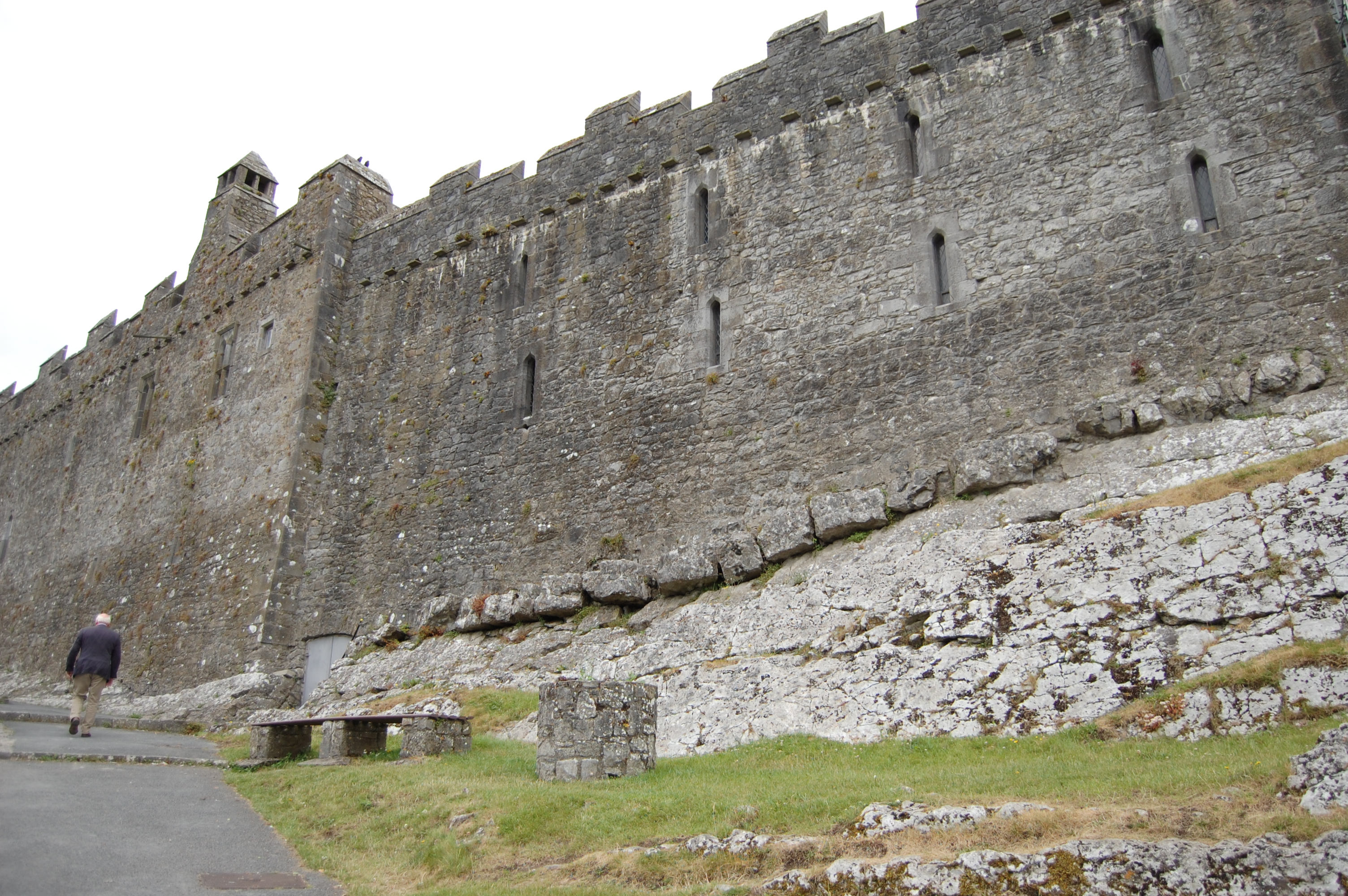
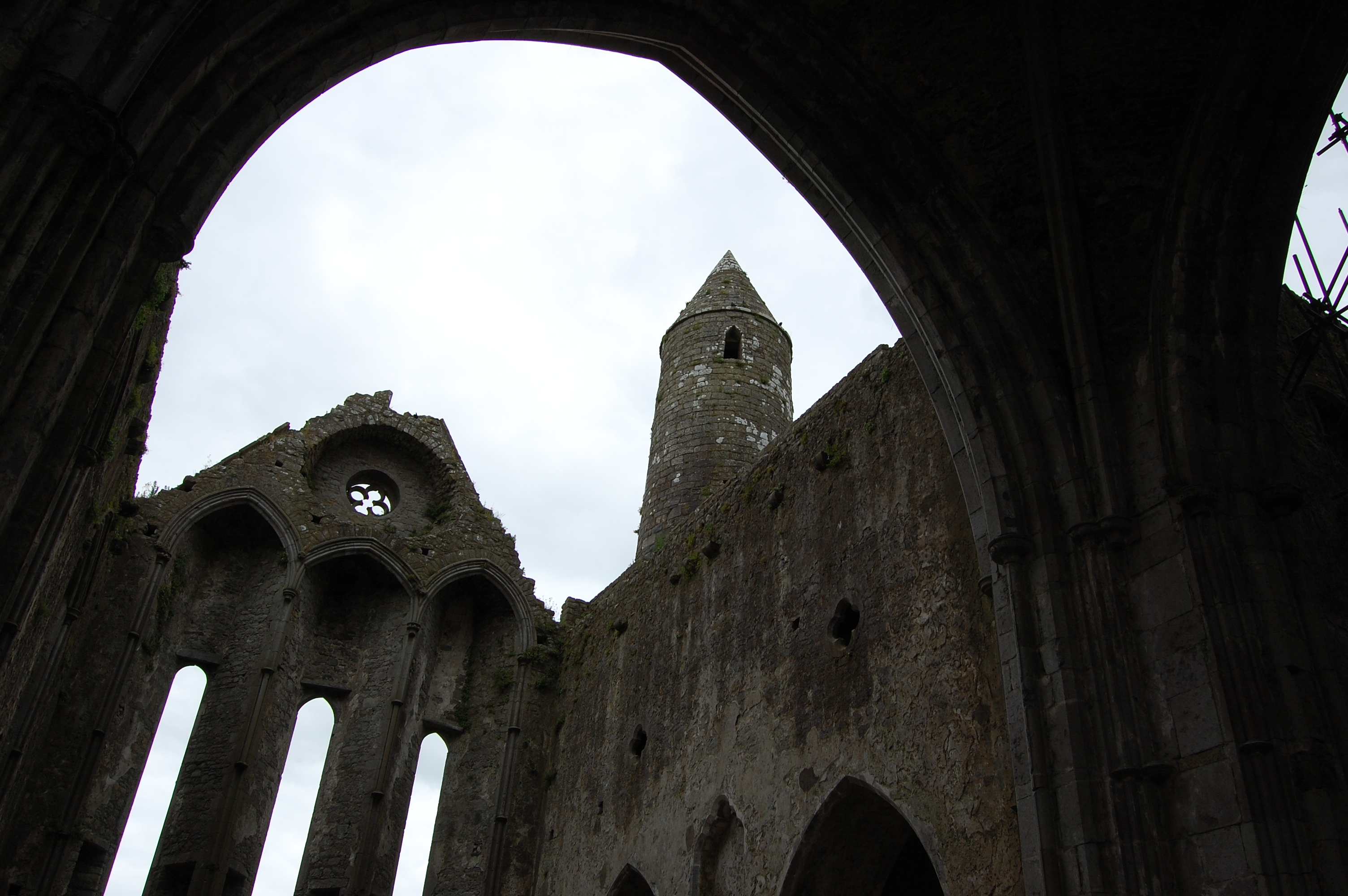
The round tower was the first portion of this castle to be built. Since then, a cathedral and other elements have been added. As you can see by scaffolding in the background, they are in the process of heavy restoration to preserve this famous landmark. This dry-stacked stone castle was simply amazing!

Many thanks again to my husband, Thom, for his lovely photographs.

Tintagel Castle in Cornwall, U.K.

DoorwayIntoTintagelCastle

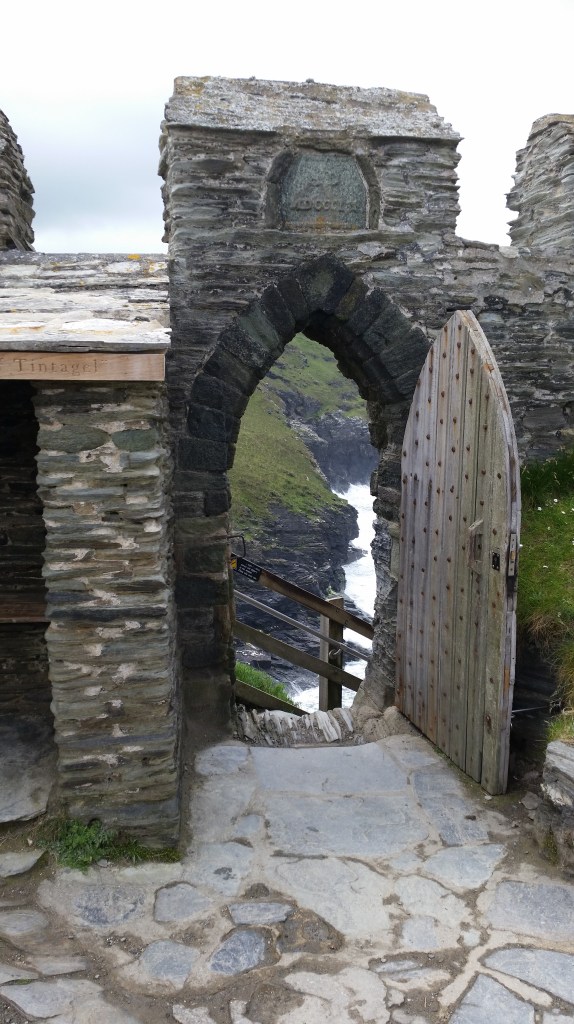
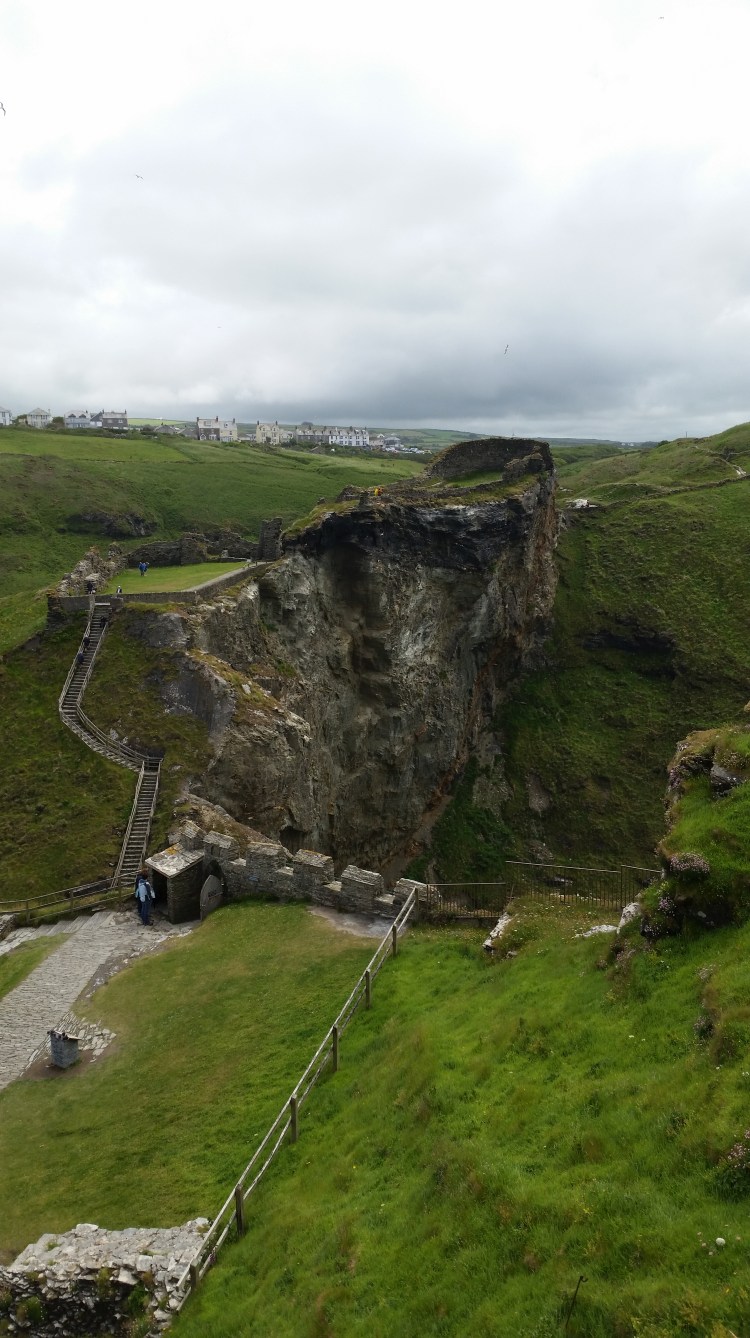
This is the doorway into the ruins of the great hall of Tintagel Castle. If you’ve read “Jevic and The Sword,” you know the significance of this doorway. Built in the 12th century, this castle has long been connected to the legend of King Arthur, and this place is worthy of his Highness.

InnerCastleWall

UpperWardFromTintagel-Island

The windswept coast of Cornwall is breathtaking. Foxglove and Queen Anne’s Lace are among the abundant flowers growing wild on the rolling green hills. Herringbone slate walls are a stunning example of what human creativity can do with an abundance of local resources.

HerringboneSlateWall

Unfortunately, the turquoise water in the little harbor where Merlin’s Cave sits under the island never receded enough for us to venture into the cave or walk out to the stone on the beach as I had hoped.

MerlinsCave

But just to walk along this beautiful coastline, climb these steps, cross the battlefield on the upper ward, and stand on what is left of a spiral stairway on the edge of the great hall was living a dream that even Merlin’s magic could not have improved upon.

DSC_0236

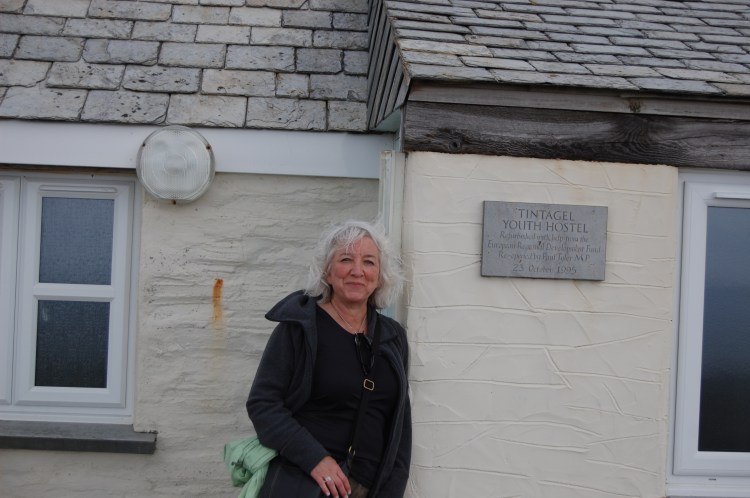
A half an hour’s walk away was the youth hostel I had only seen on Google Earth and in one online photo.

Lisa-at-TintagelHostel

This was a truly incredible day in my life. I will be forever grateful for the opportunity to visit Tintagel, and forever humbled by its perfection.

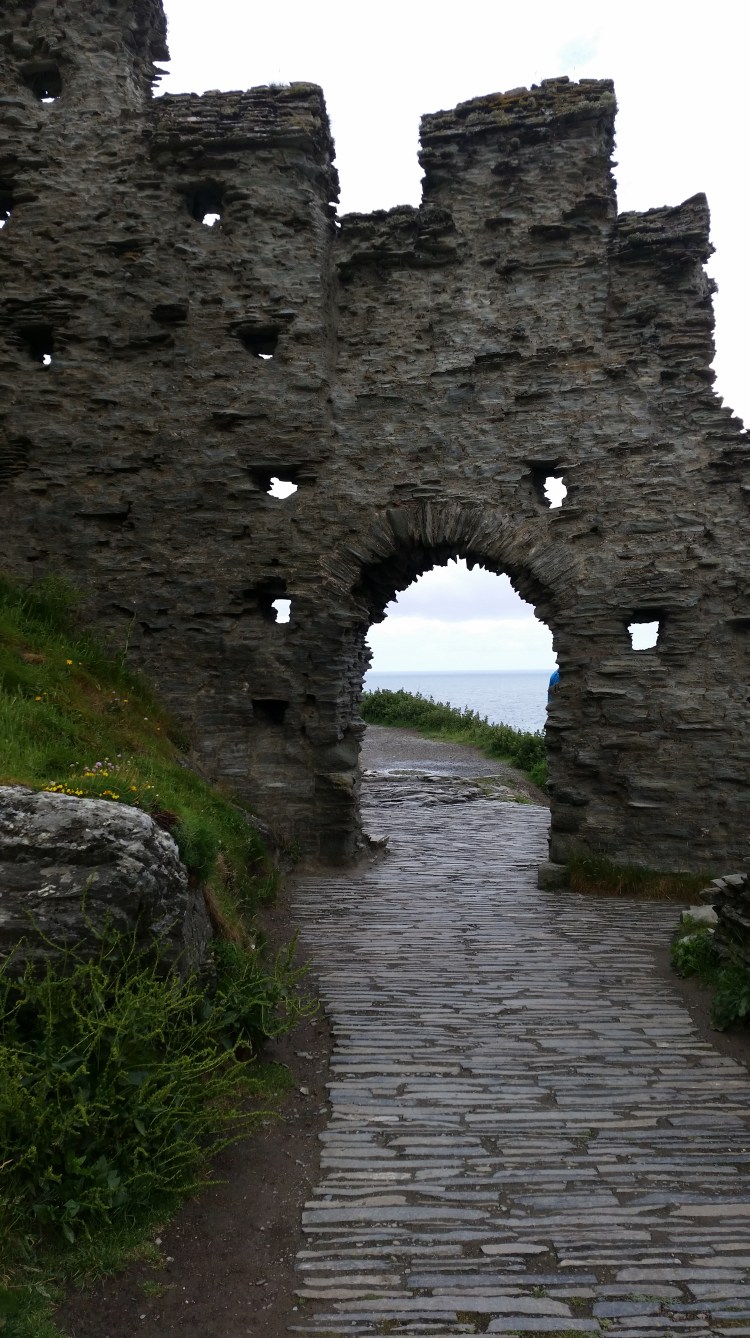
CoastalPathGateToTingel

A Visit to Stonehenge

DSC_0109

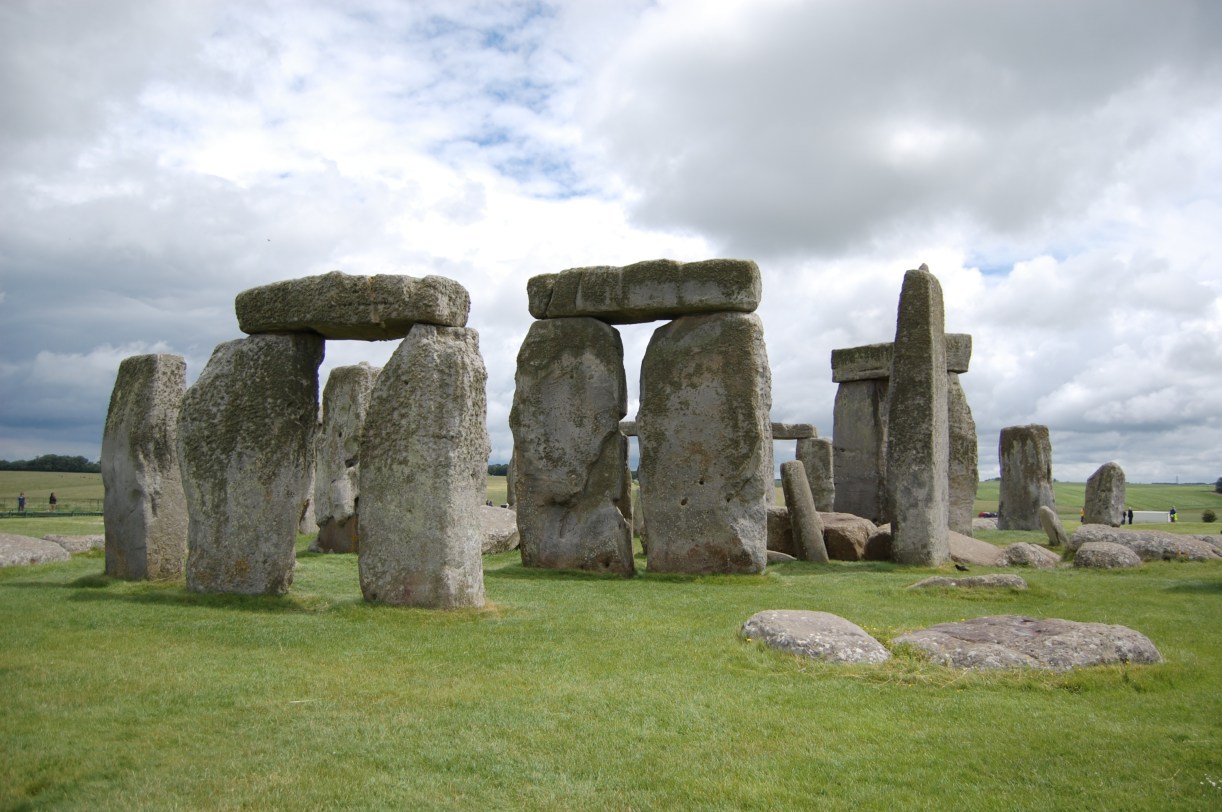
June 13, 2016 – Stonehenge was our first stop on a 14-day self-driven tour of the U.K. and Ireland. (Photo courtesy of Thom Popp.)

When my husband and I began planning our dream vacation, one of my “must see” places was Stonehenge. We’ve all seen photos of this famous stone circle located in Wiltshire, England, about an hour’s drive west of London. Archeologists have determined that this incredible structure was erected between 3000 B.C. and 2000 B.C.

These bluestones, weighing between two and four tons each, were most likely brought to their current location from the Preseli Hills in Wales, 150 miles away. Although some believe there may originally have been 80 stones, today only 43 remain.

There is a lovely visitors’ center where you can purchase tickets to visit the stones, grab a snack, and purchase a souvenir. Behind the visitor center, shuttles load anxious guests for a trip that takes only a few minutes by bus. For those who are in no hurry, it’s about a 30-minute walk. What you have probably not seen in photos of Stonehenge are the ropes around the perimeter that keep you from getting too close.

I happen to believe there is much more to these stones than meets the eye. I had hoped I might feel something when I stood among them, when I touched them. Unfortunately, we were only able to view this spectacular structure from a paved roadway that circled it. Due to serious erosion, visitors have not been allowed to walk among the stones since 1977. English Heritage apparently does permit full access during summer and winter solstice, as well as spring and autumn equinox. So if you have your heart set on getting close enough to touch these mysterious stones, I would strongly suggest you contact English Heritage for further details before you visit.

Unfortunately, we unknowingly visited one week before the summer solstice. However, true believers know, what is meant to be is meant to be. We were destined to be elsewhere during this special summer solstice, and that is a story for another day…

Jevic and The Spear

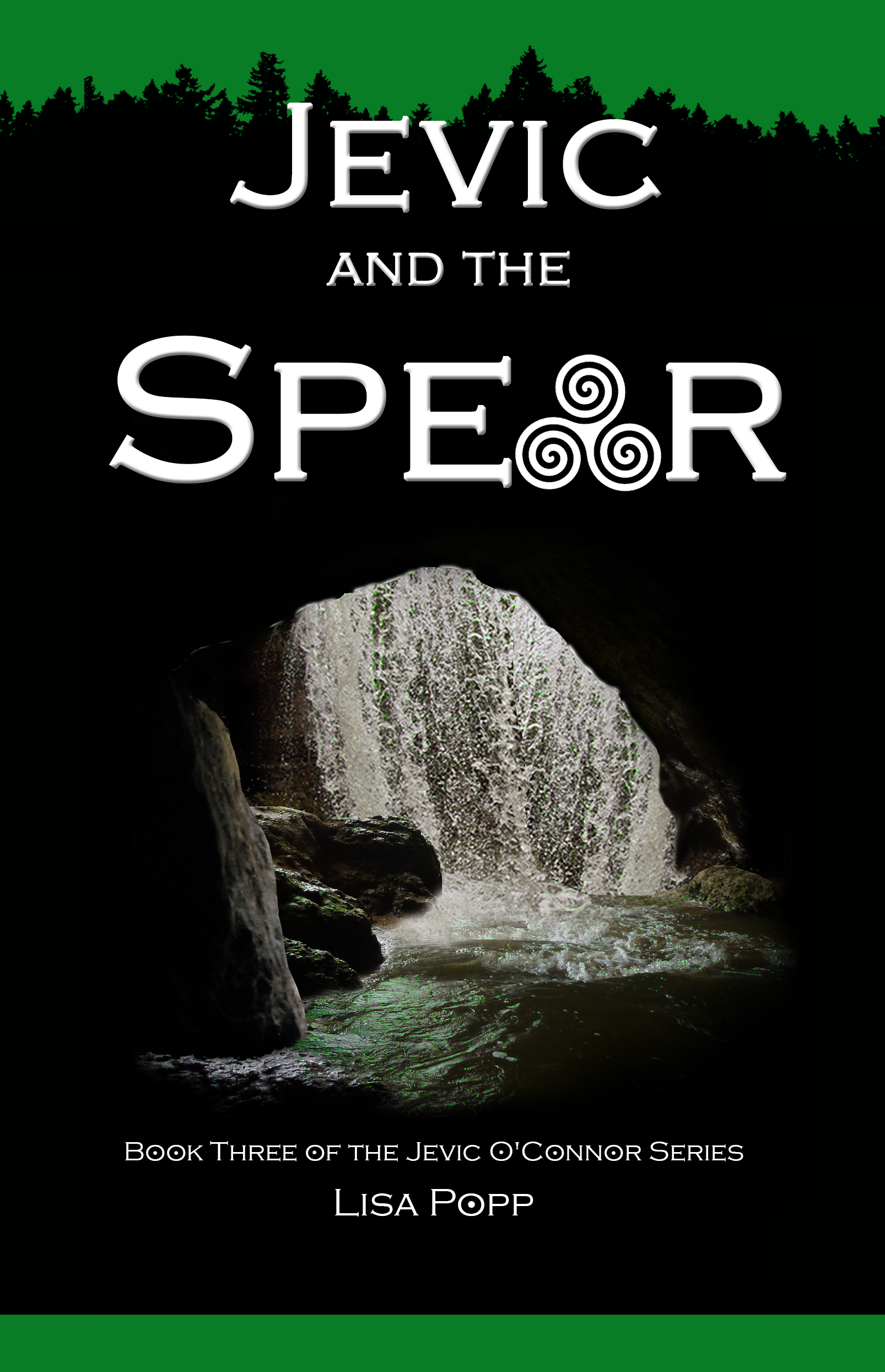
Spear-frontcover

Jevic and The Spear” is available on Amazon in paperback format. I am very excited to share the next chapter in Jevic’s adventure with readers. 

Jevic and The Spear
With the help of his friends, Jevic O’Connor has already fulfilled half of the Sidhe prophecy. Now, the dark spirits are more determined than ever to keep him from returning the third sacred treasure to the spirit realm, which makes Jevic’s quest for the Spear of Lugh his most thrilling adventure yet.

King Aaron knew the stakes were going to be much higher this time around. Although he has tried his best to prepare his young knights for the challenges they will face, the Spear of Lugh, or Lightning Spear, possesses incredible power that will be nearly impossible for a mere mortal to control. To make things even more difficult, the dark king has put a bounty on Jevic’s head. But is he the only one in danger?

Fairy Songs

Here’s one of the poems I wrote when my children were young. May it bring a smile to all who believe and a glimmer of possibility to those who do not.

Fairy Songs

Wildflowers on my windowsill
And a song upon the breeze,
Secrets in the distance
Whisper through the trees.

Butterflies on buttercups
Beside a happy stream
Where tiny voices softly sing
As in a child’s dream.

Fairy songs may come to you
Upon a gentle breeze.
As daisies dance with black-eyed Sue
And the sun climbs through the trees.

Or in the early morning shadows,
When not only birds will sing
But a thousand fairy voices
Can through the forest ring.

And deep in the night where magic lives
As the moon and the stars draw near
If your heart is true, and you believe
The fairy songs you will hear.

-by Lisa Popp