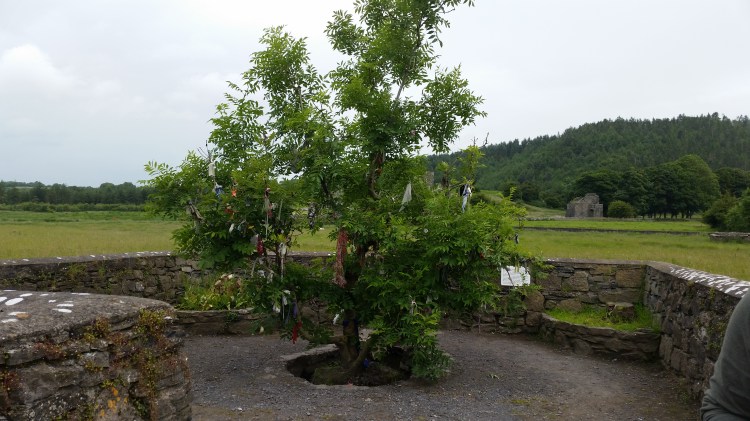
 I first heard the term “Clootie tree” years ago from a friend who had visited Ireland. The name is derived from Scotland where a “clootie” or “cloot” is a strip of cloth or rag. These trees often grow near clootie wells or springs that are places of pilgrimage in Celtic areas.
In pre-Christian Ireland, Brigid was the Celtic goddess of spring. Because she shares many attributes with Saint Brigid whose feast is celebrated on the same day as the pagan festival of spring, some believe the Celt’s beloved goddess was adopted as a saint by the Christians to inspire conversion to their faith.
That said, the Celtic people believed these springs or wells to be places where their gods and goddesses would hear their prayers. Visitors would tie strips of cloth to the branches of a nearby tree as part of a healing ritual. Those strips of cloth, rags or articles of clothing often belonged to a loved one who was ill or in need of divine intervention.
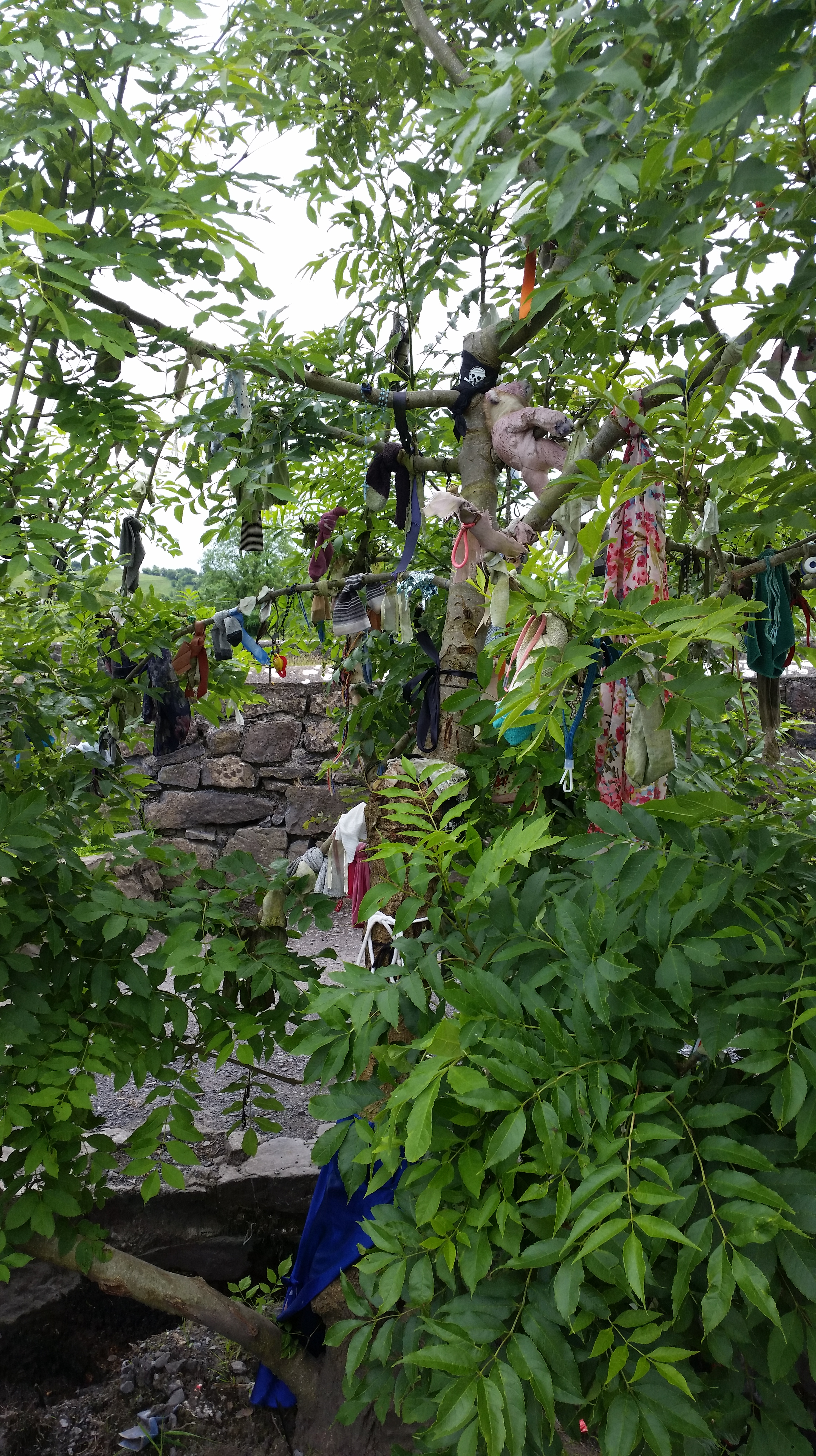
To see a clootie tree in Ireland was something I had only dreamt of until the day we stepped out of the car beside the stone wall that bordered the old abbey ruins in the valley of Fore. This little ash tree was growing right out of a clootie well, and I would not have been more excited if it had thousand dollar bills tied to its branches. When I saw it, I knew that I had finally found the Ireland I was looking for. What I did not yet know was that the woman we were about to meet would be the most unforgettable character of our whole two-week trip!




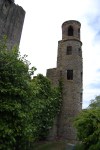






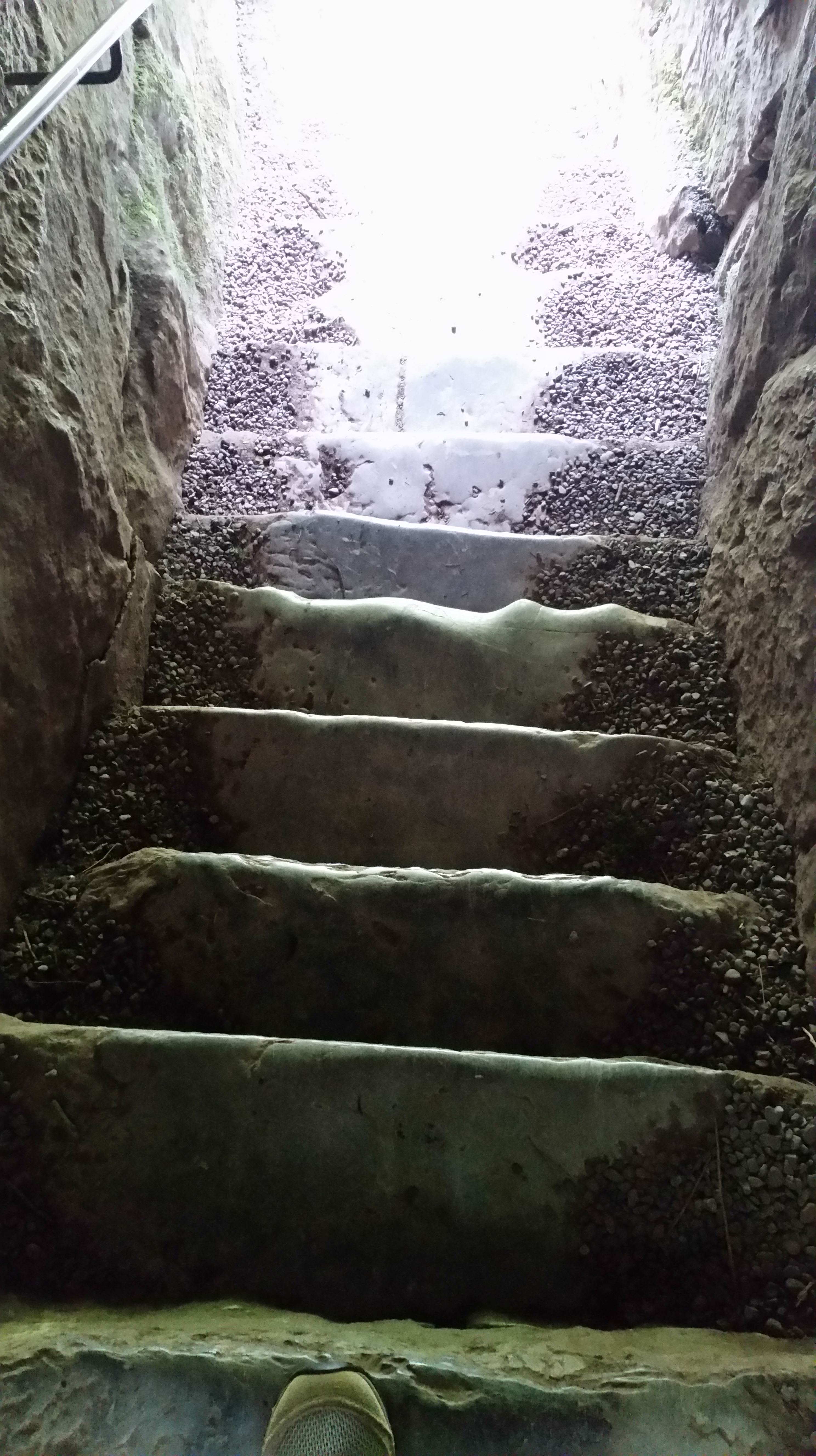
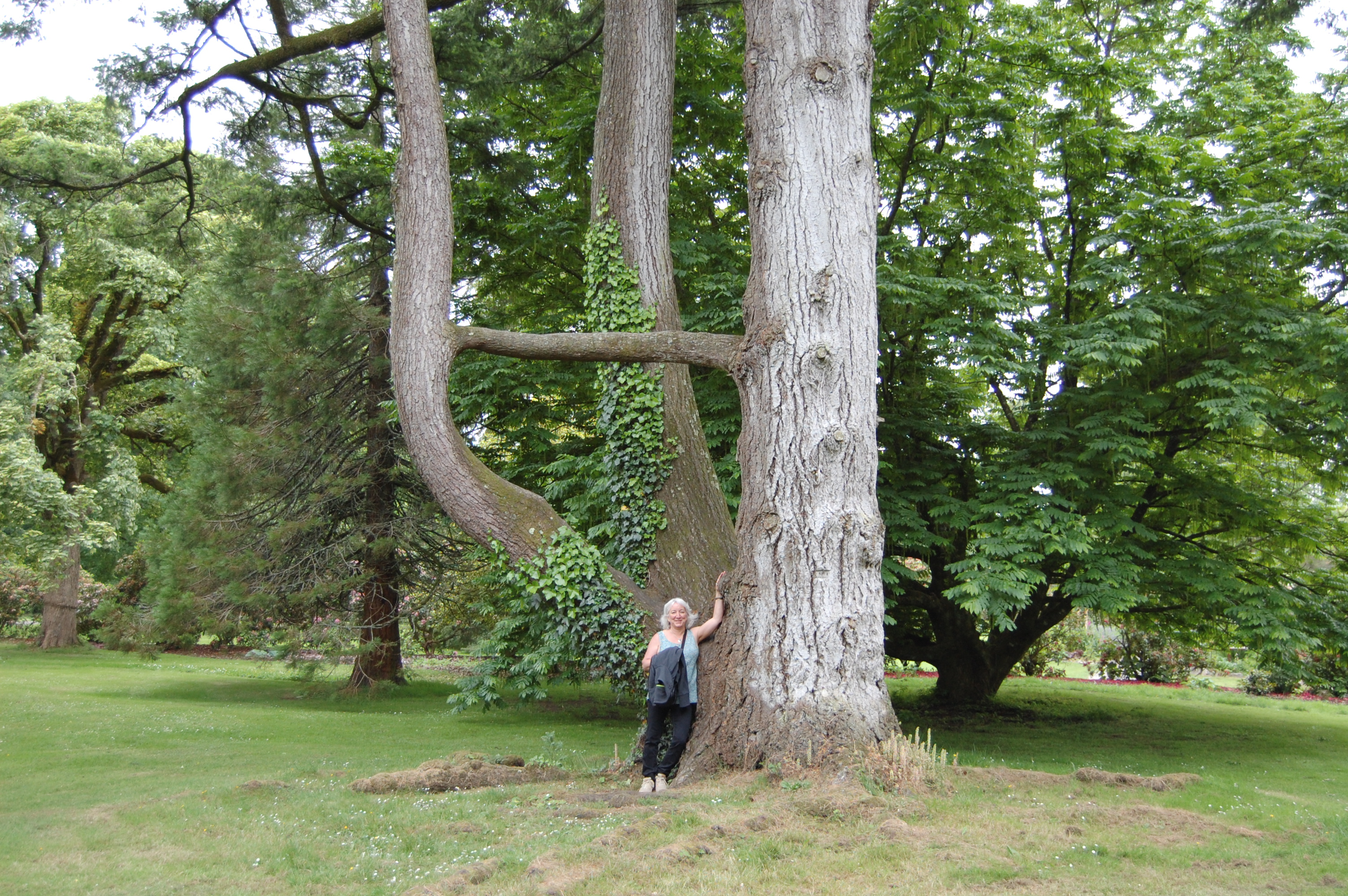
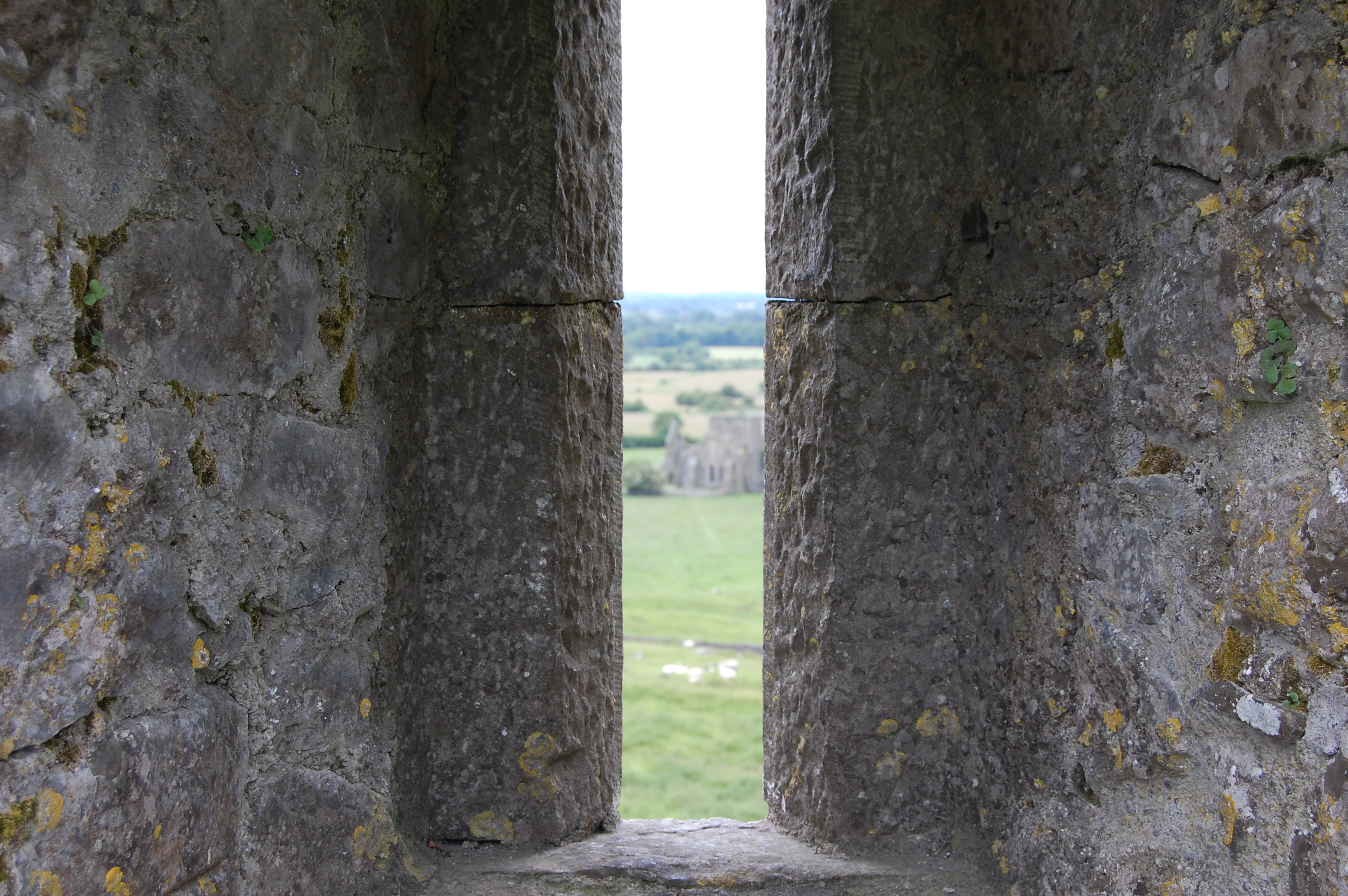
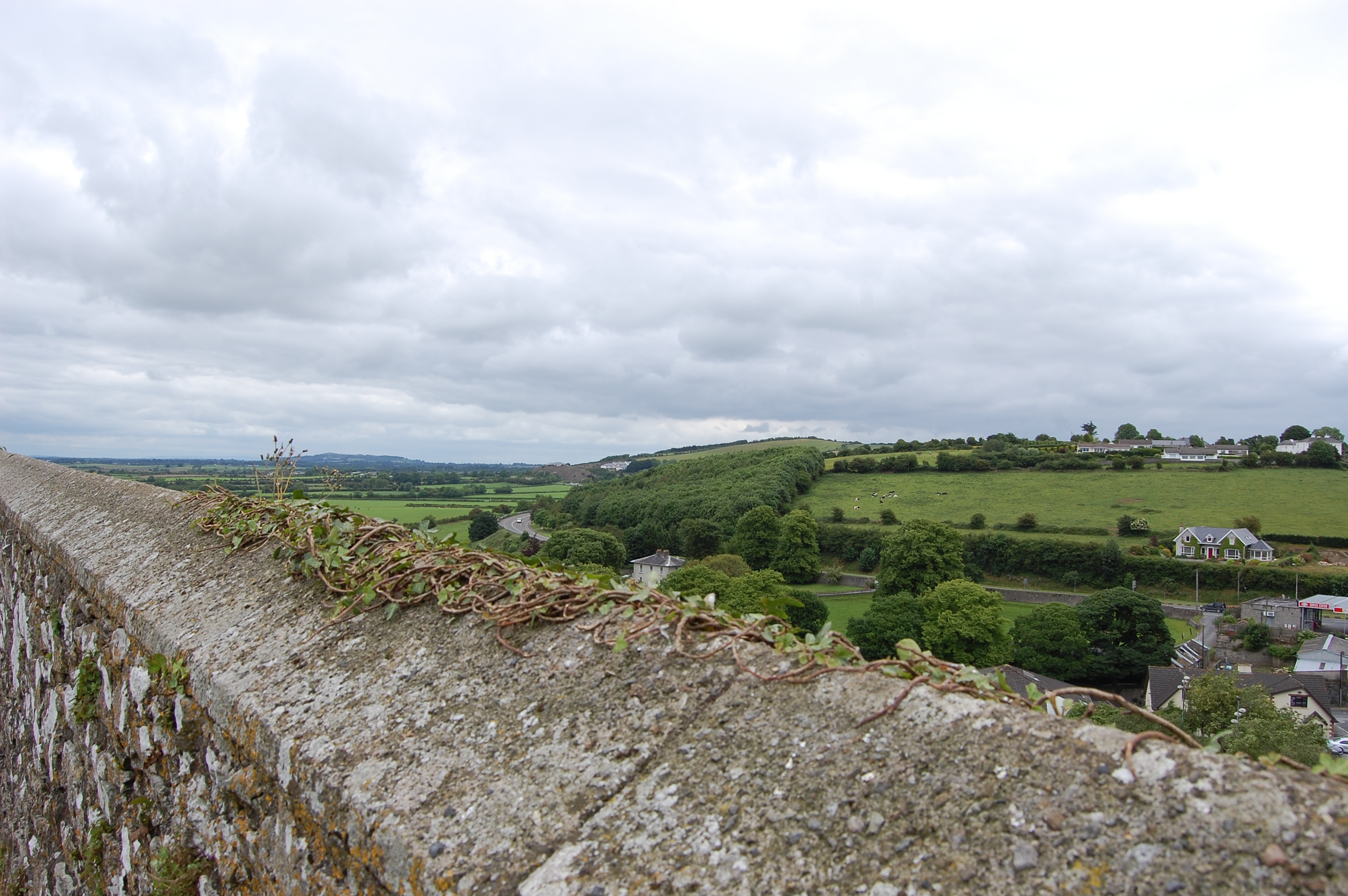
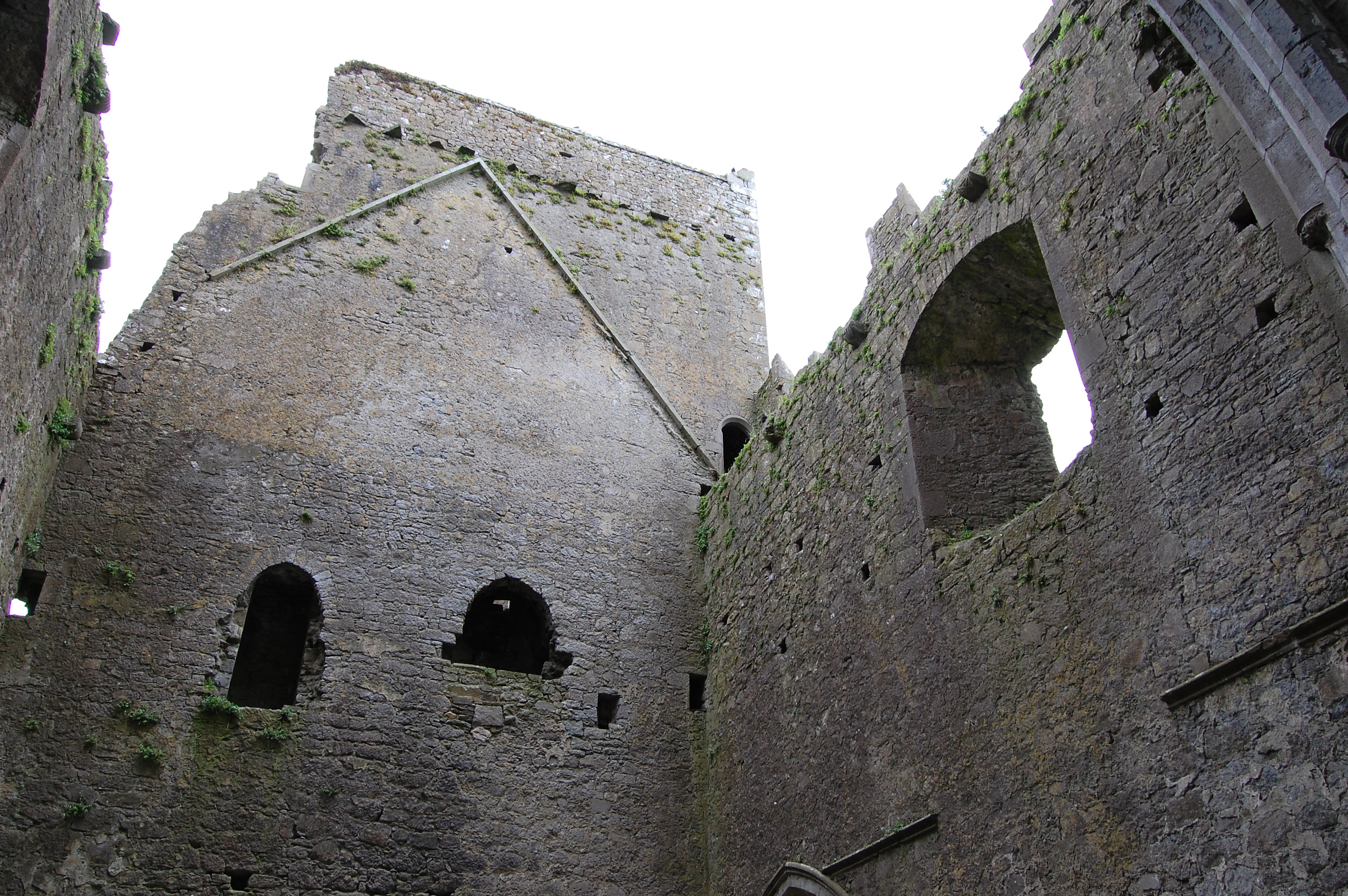
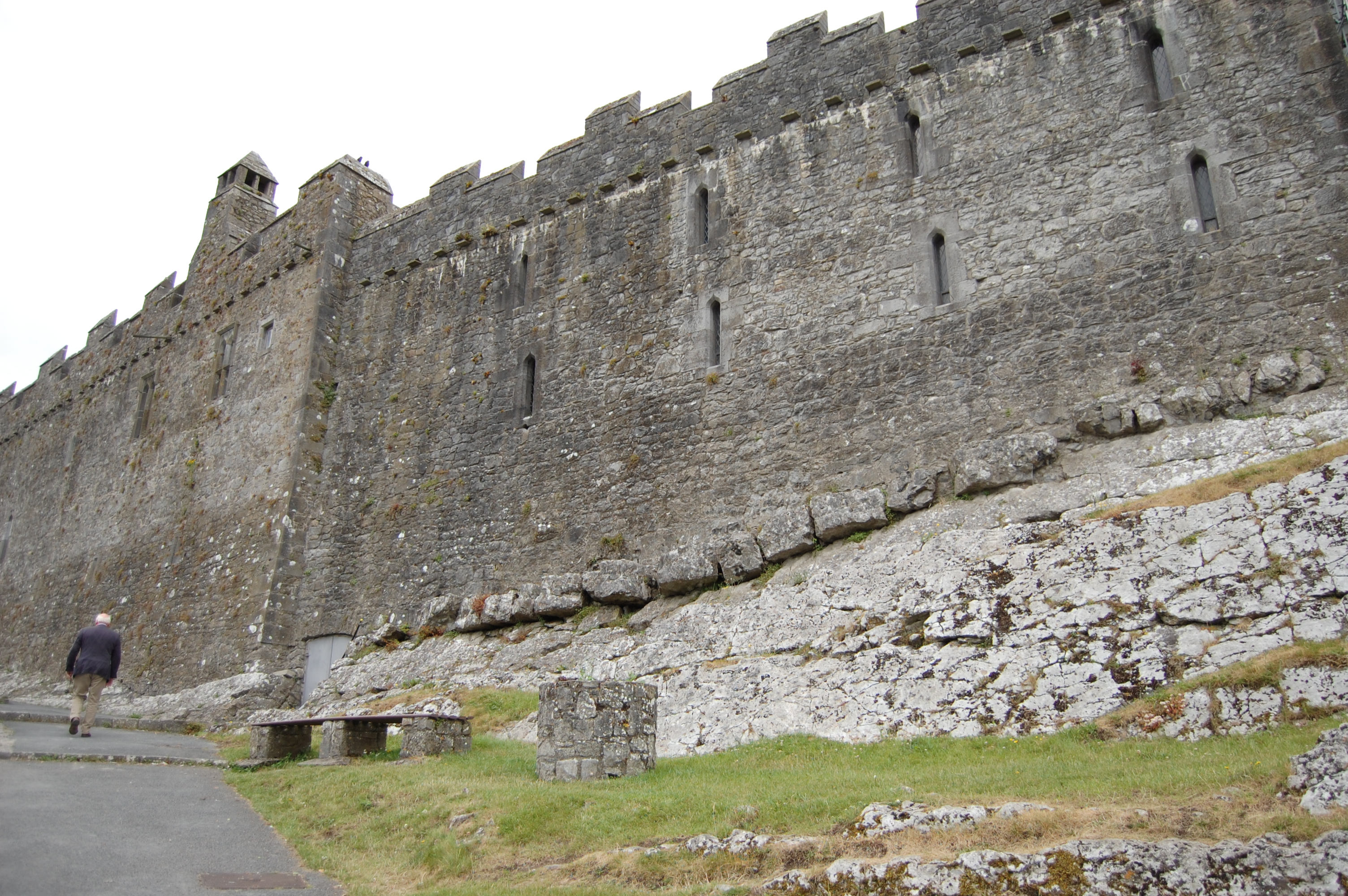
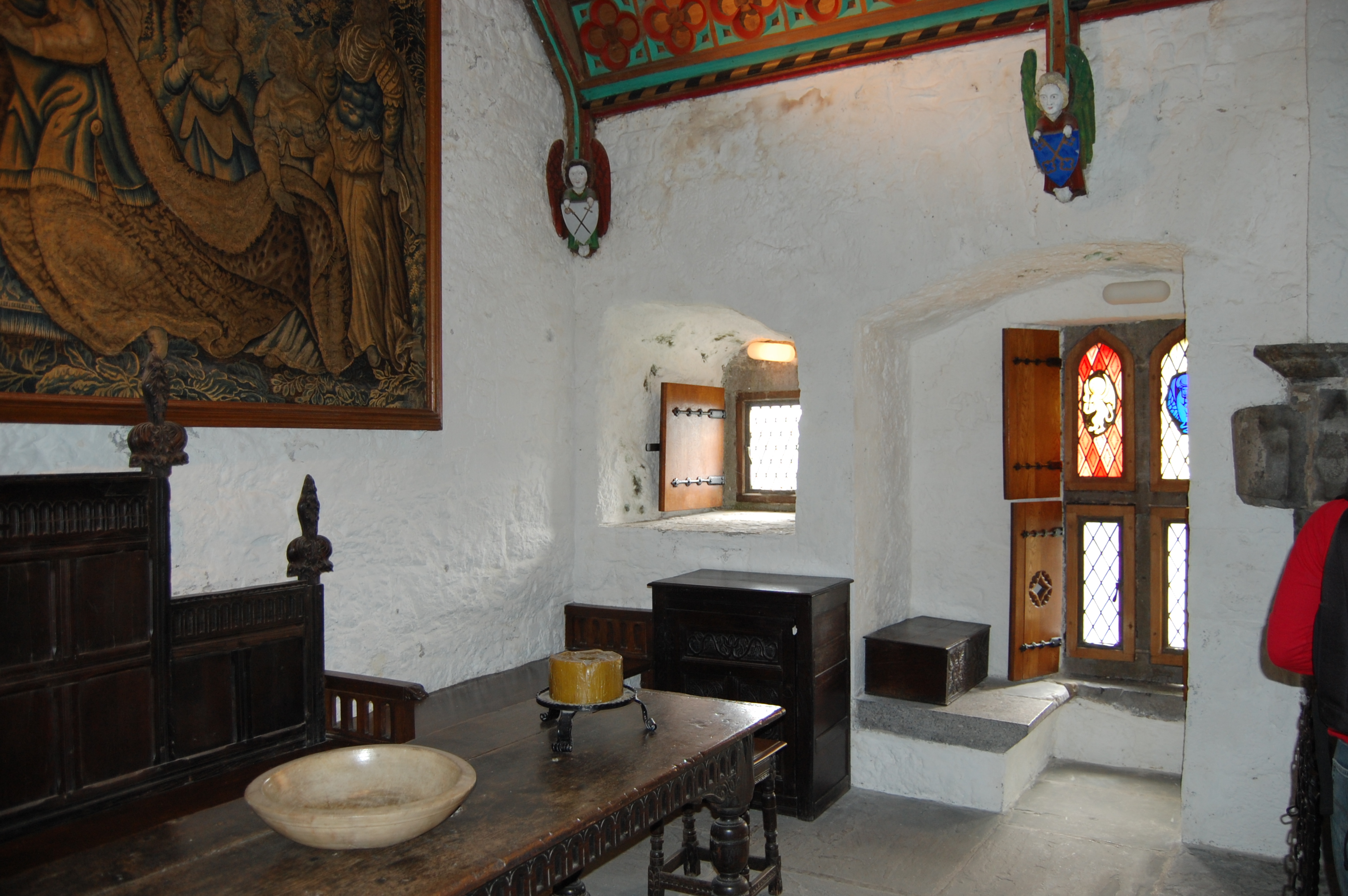
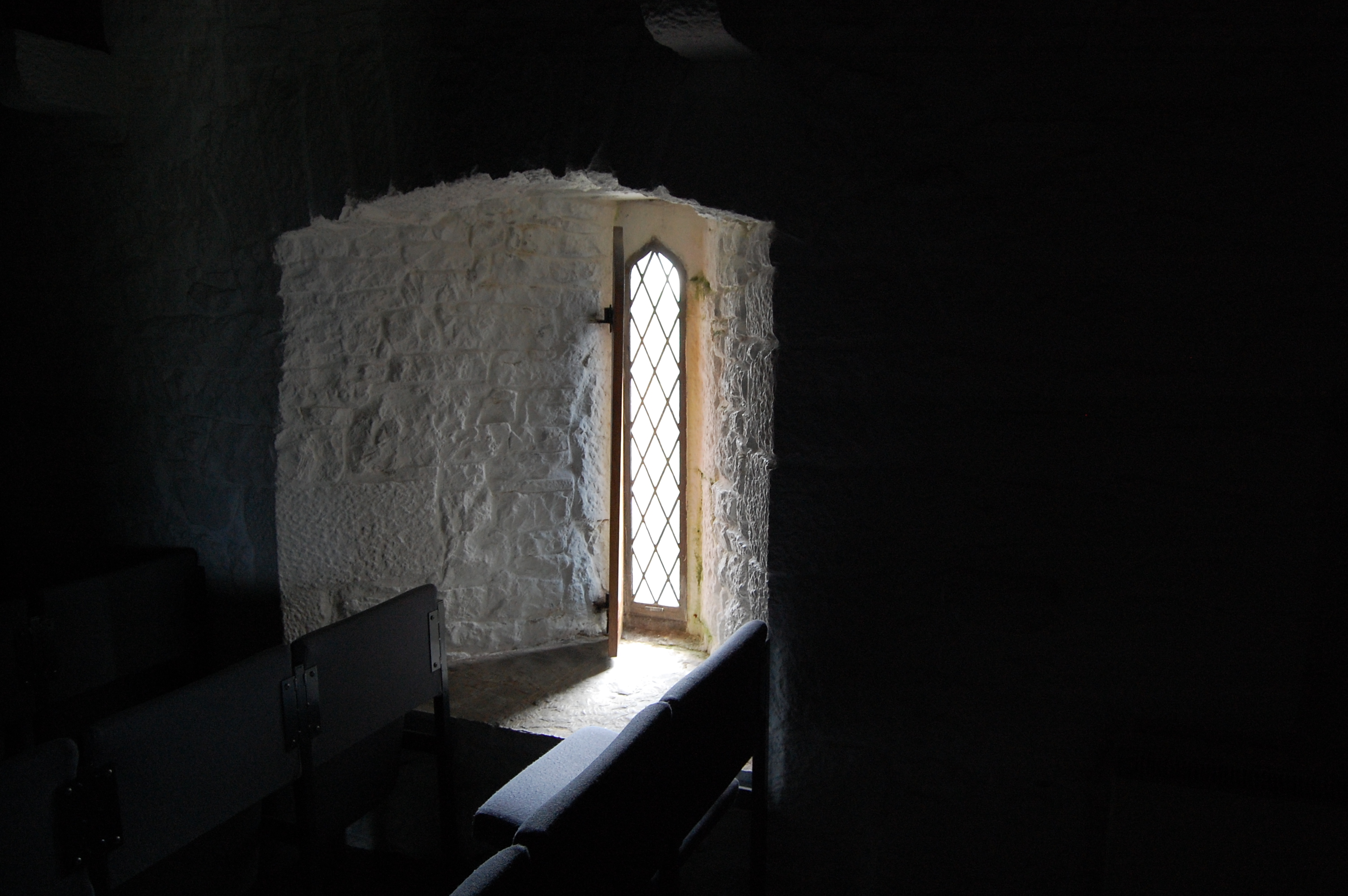
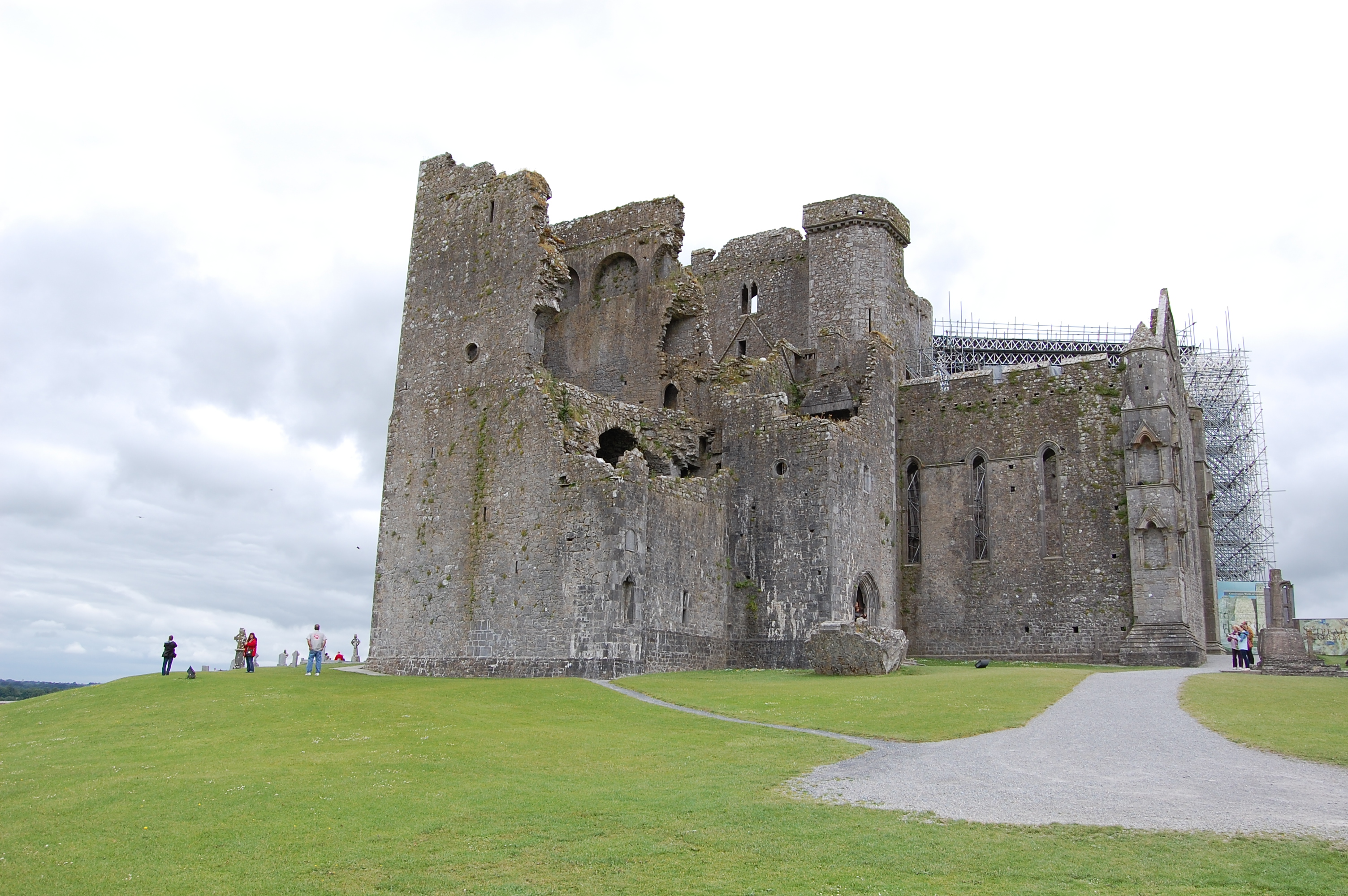
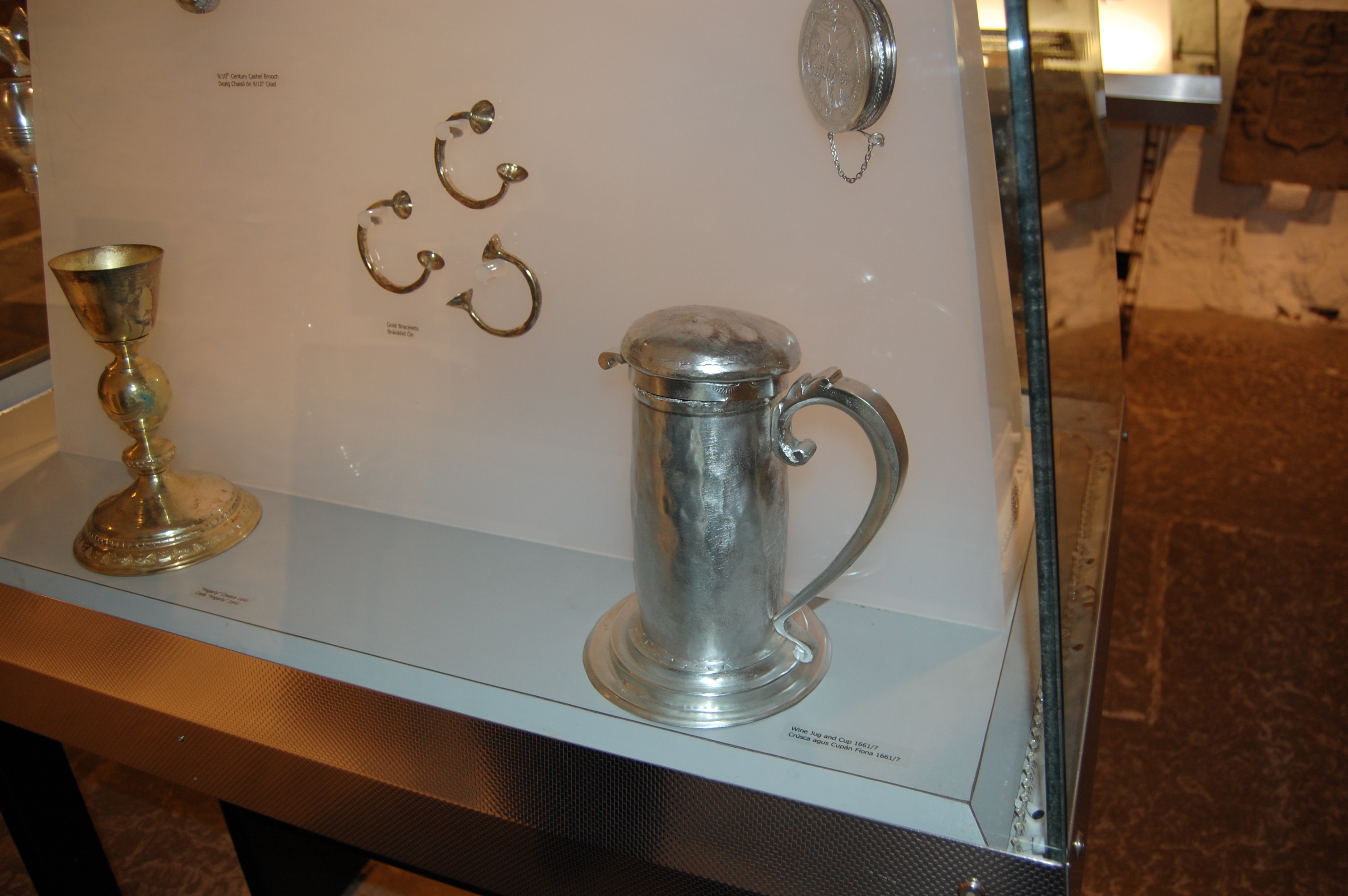
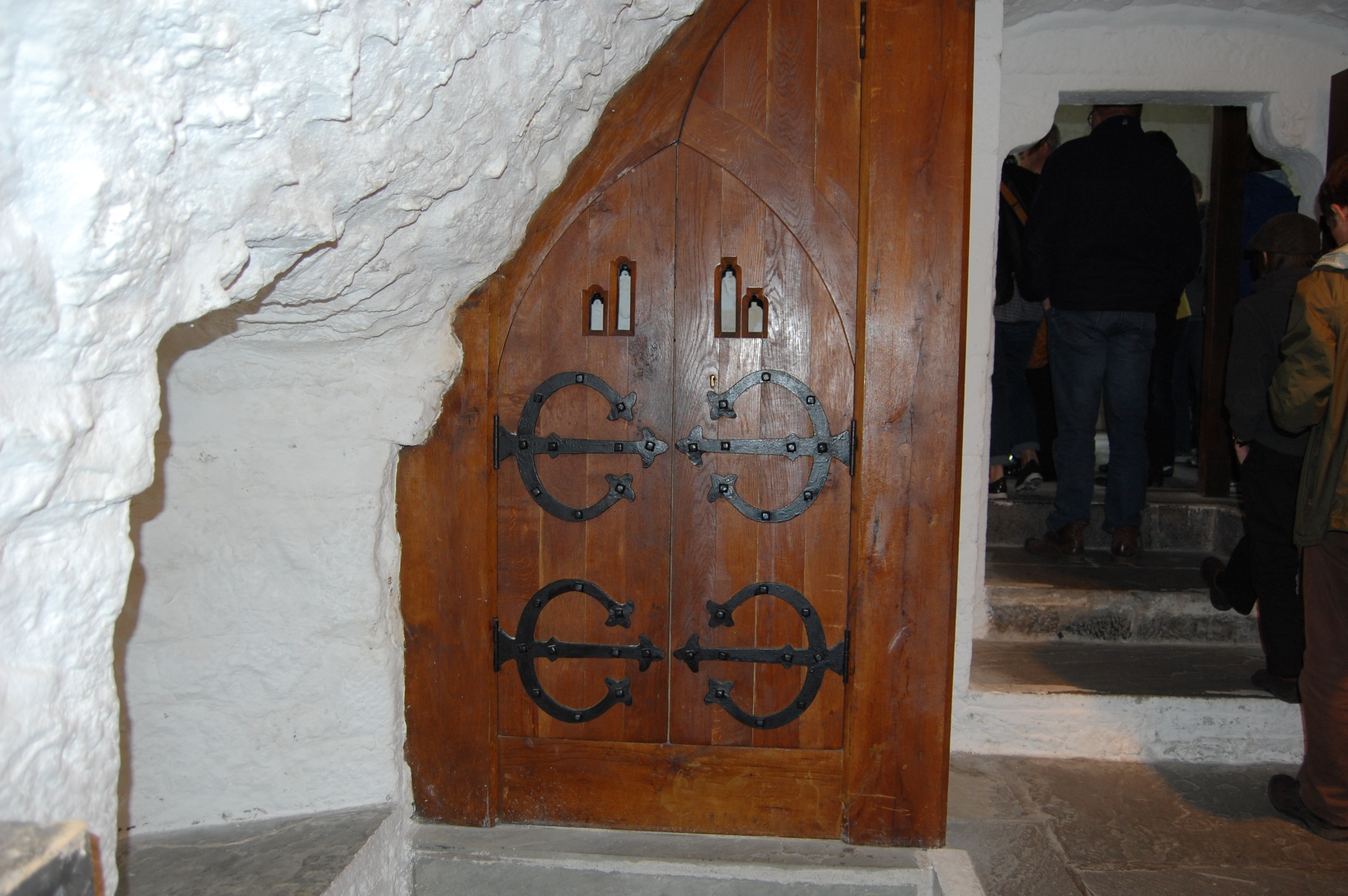
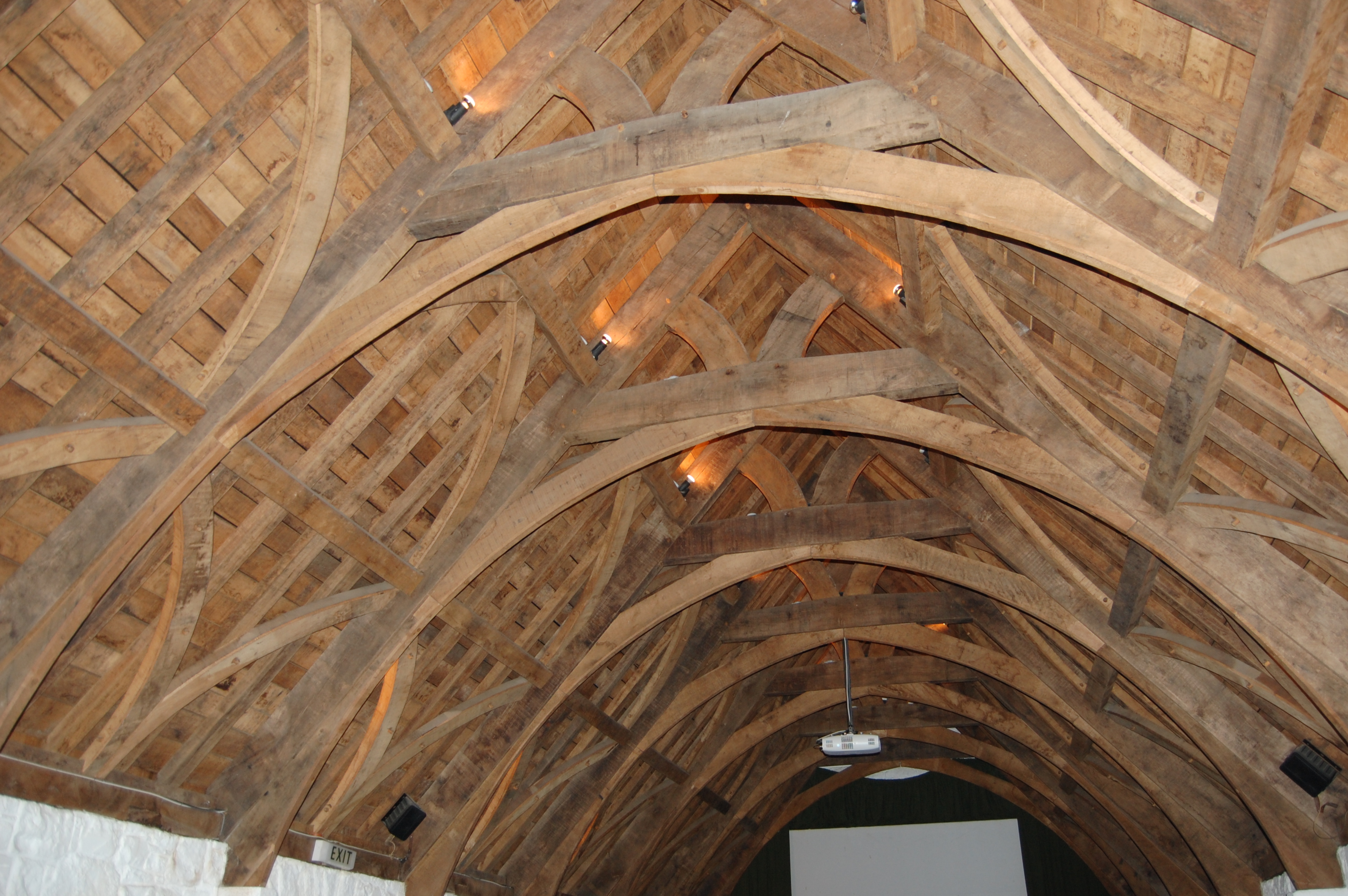
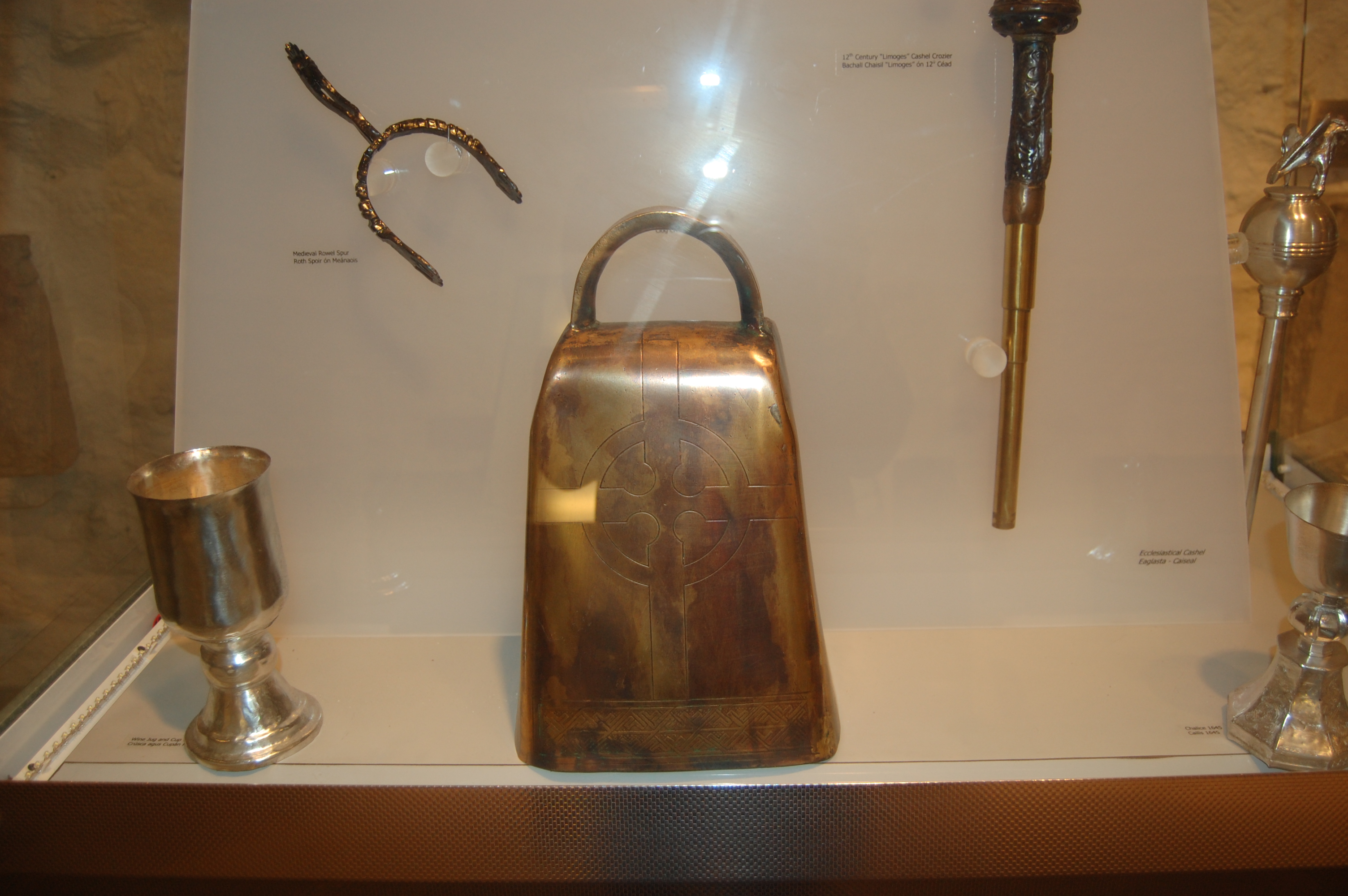
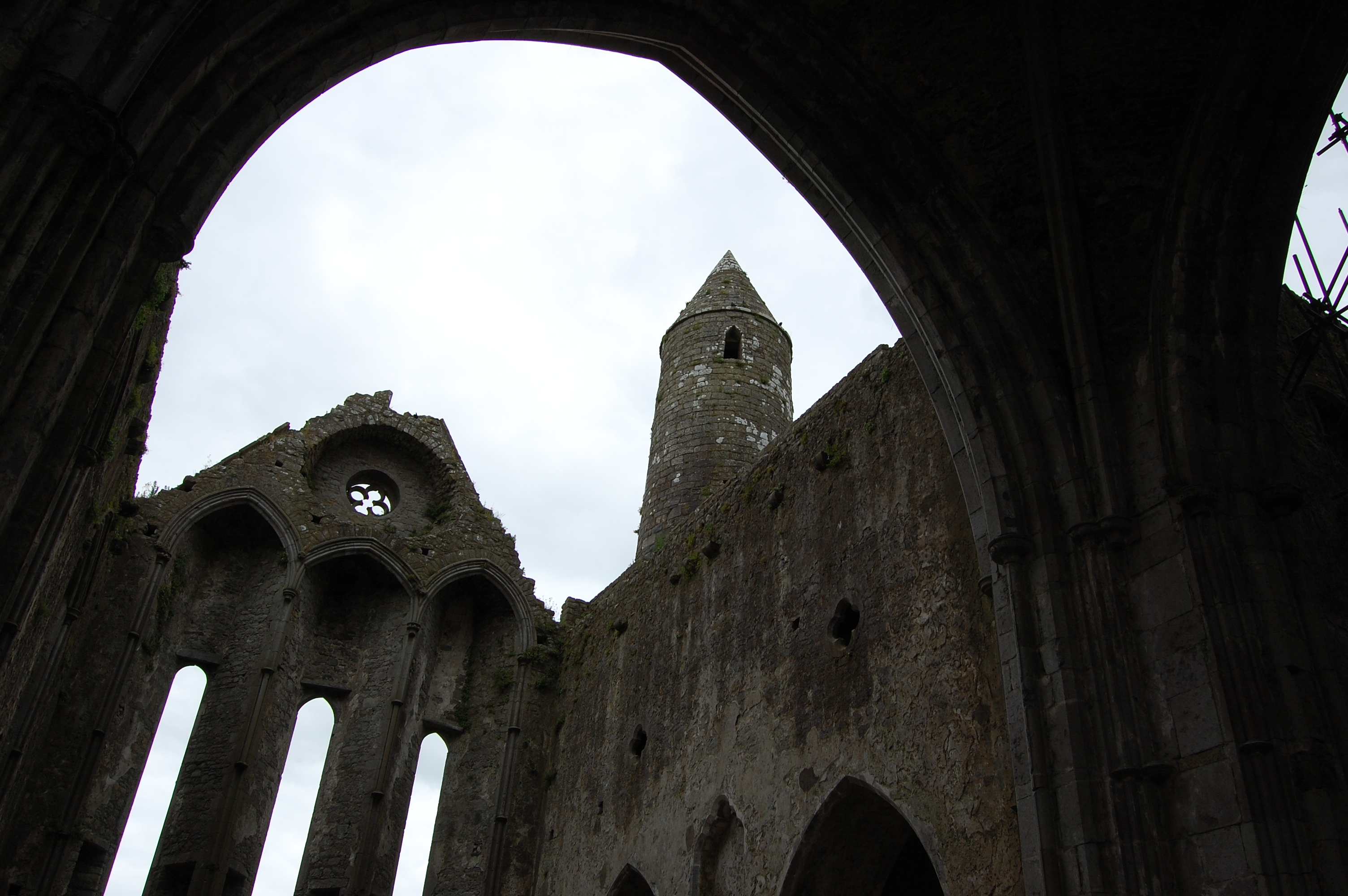
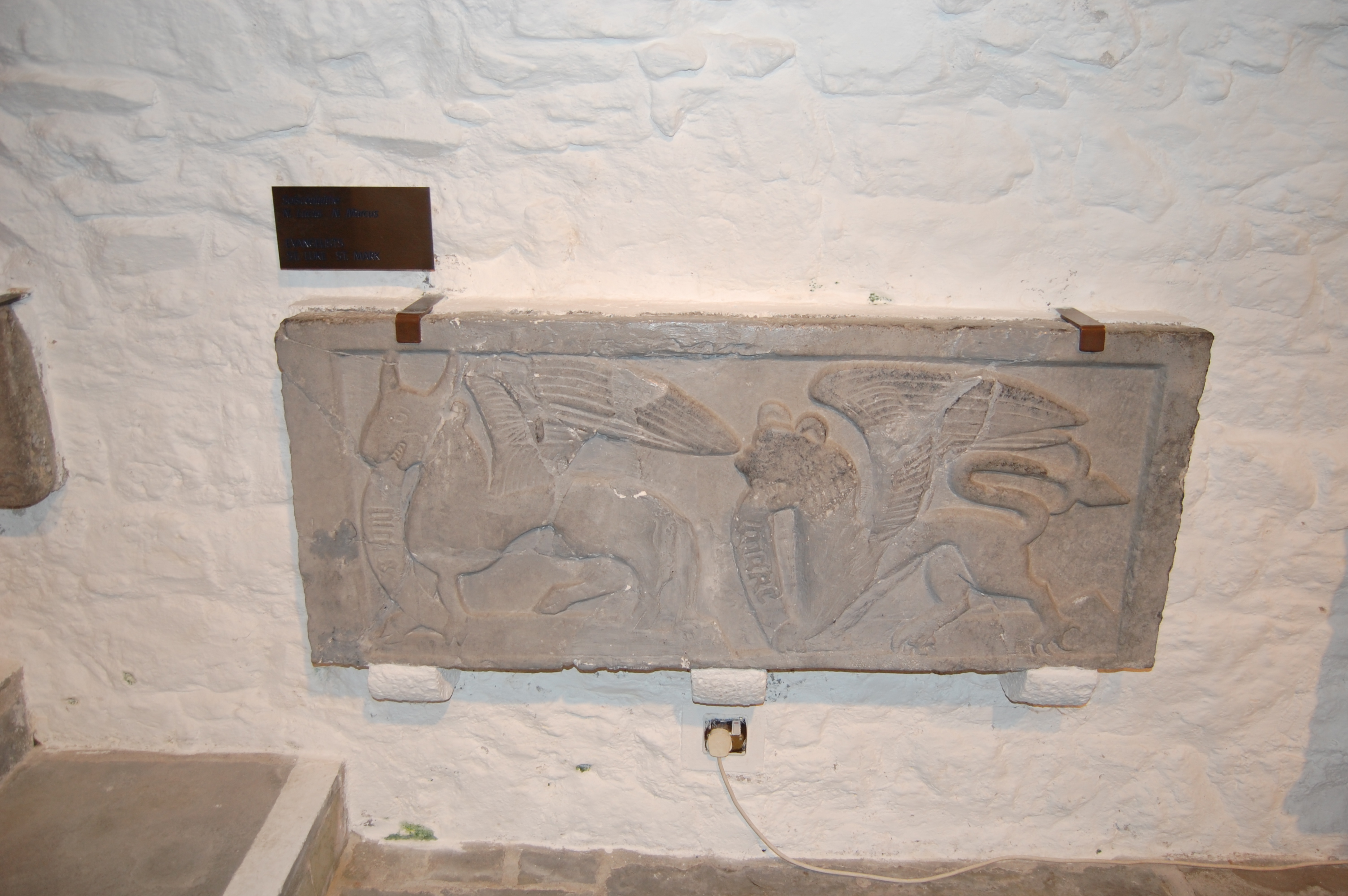
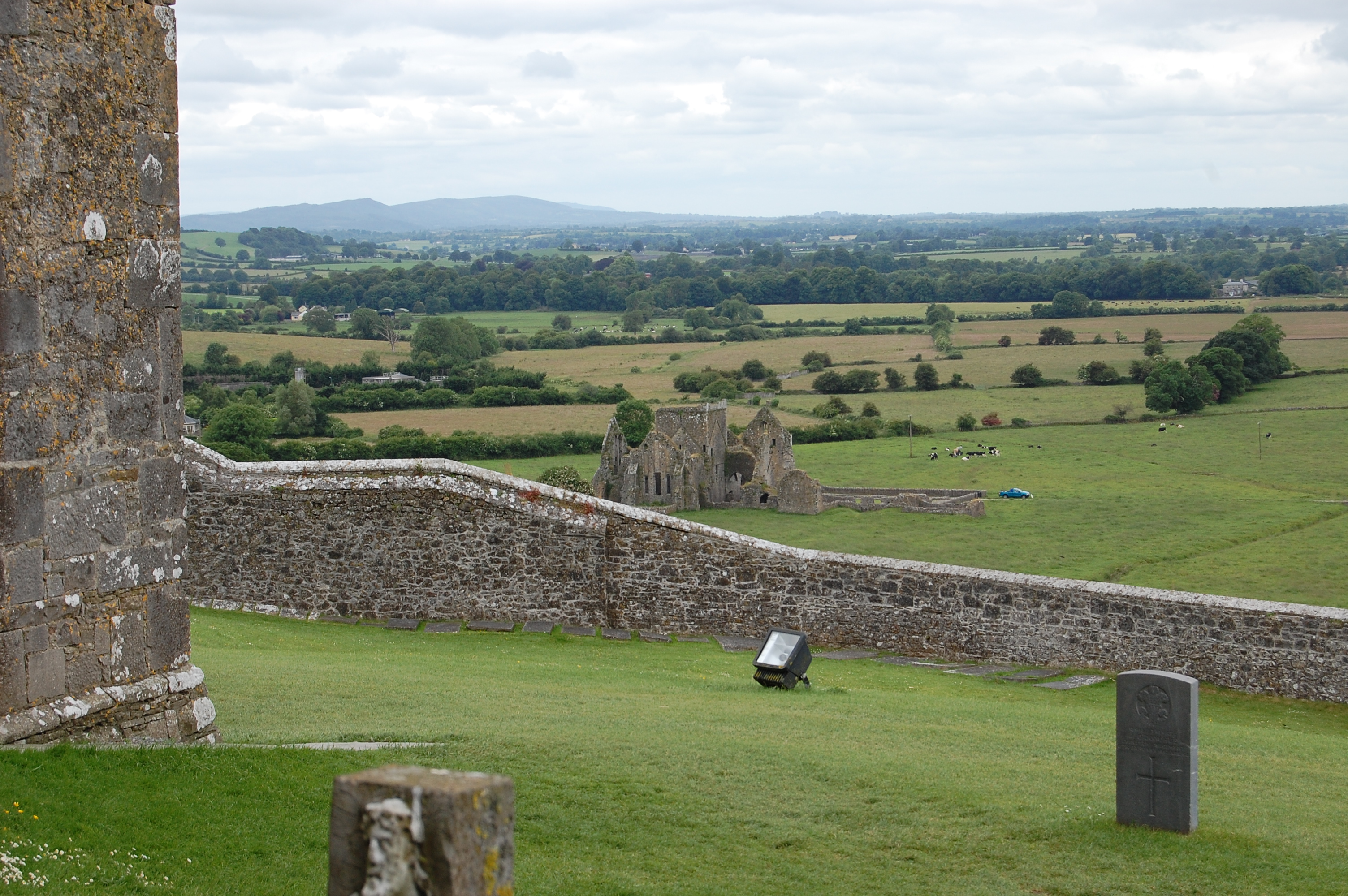
 Built in the 12th Century, The Rock of Cashel stands on a hilltop overlooking the rolling green countryside of County Tipperary in south central Ireland. According to legend, the huge rock this castle was built upon originated in the Devil’s Bit, a mountain located 20 miles to the north. When St. Patrick banished Satan from a cave there, the rock, St. Patrick’s Rock, landed here.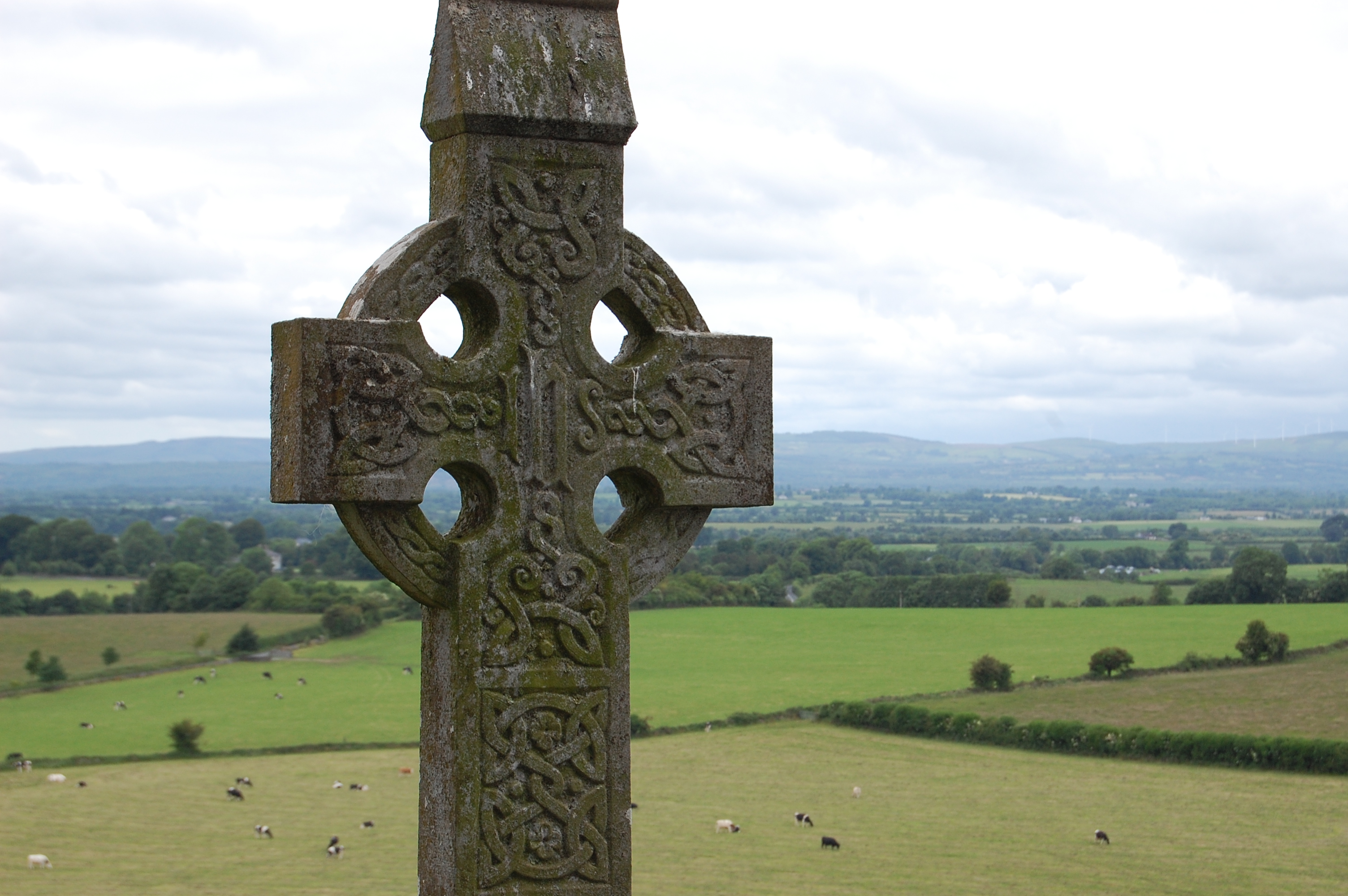




 Lisa Popp